I put on my Cyberpunk 2077 hoodie, the one that once made me feel powerful—like I was V, ready to take on the world. But now, it drowns me. The fabric hangs loose where I used to fill it. I might be wearing it, but it doesn’t feel like mine anymore.
Grief, ED recovery, Mental Health and all the lovely things that give my Sisyphean rock meaning
I put on my Cyberpunk 2077 hoodie, the one that once made me feel powerful—like I was V, ready to take on the world. But now, it drowns me. The fabric hangs loose where I used to fill it. I might be wearing it, but it doesn’t feel like mine anymore.
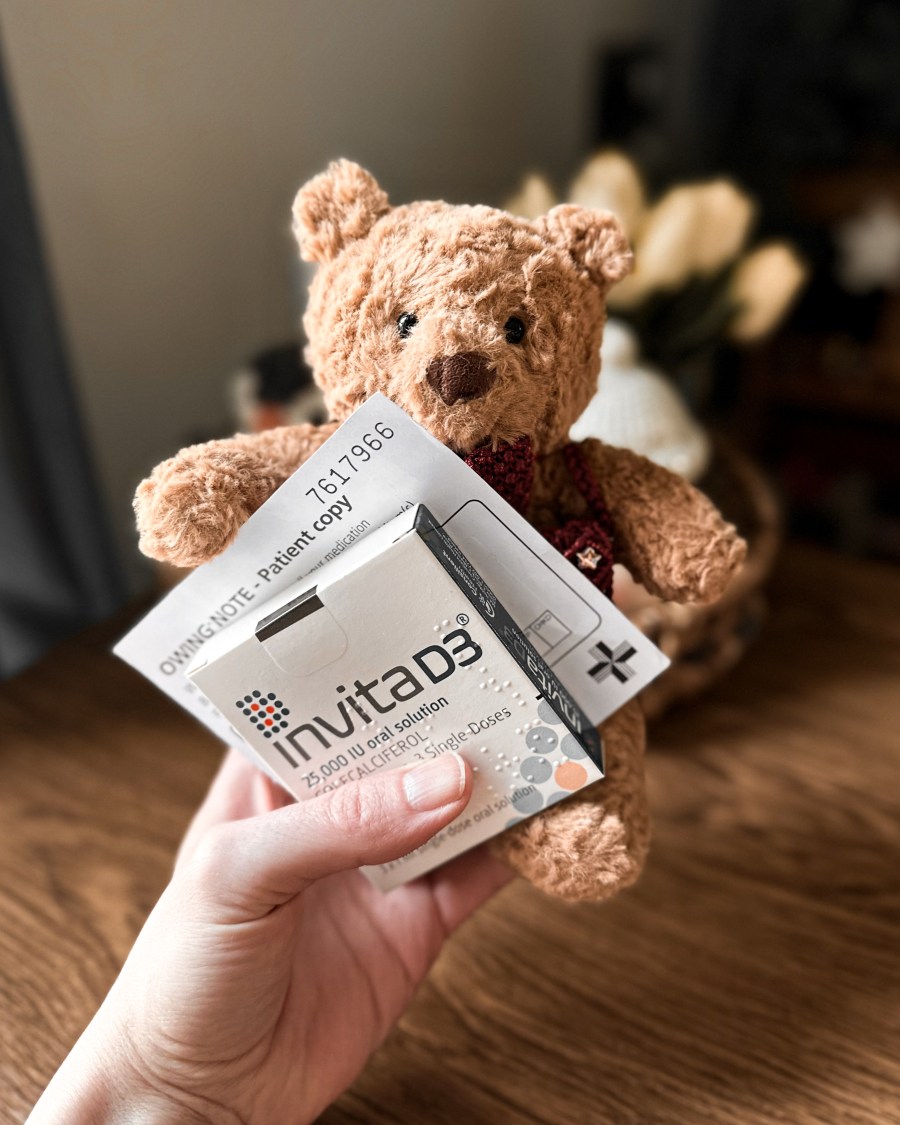
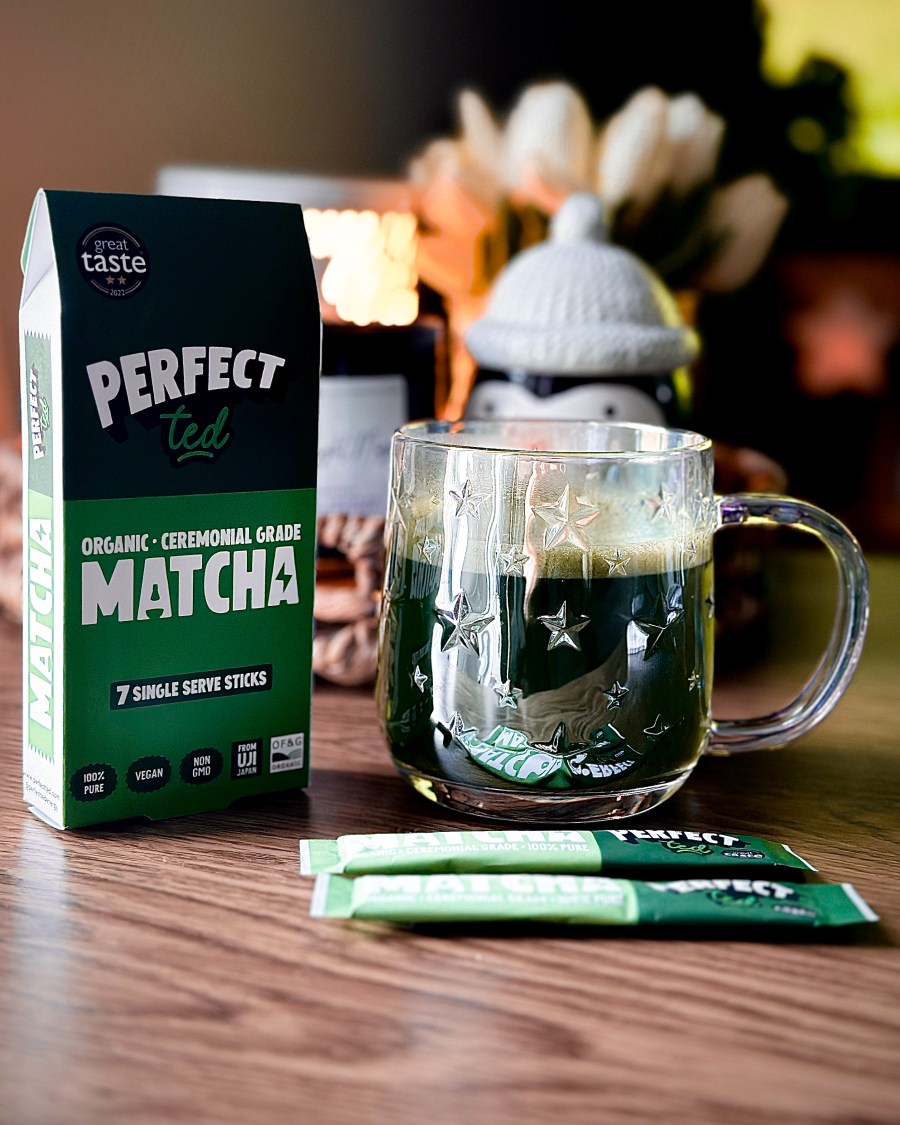
Today’s mission: obtain cheesy hot cross buns, lose yet another psychiatrist, and try not to lose my mind in the process. Clippy is feral, the NHS is playing musical chairs, and my son and I are both running on fumes. At least Beean Beeale had fun. Priorities: coffee, pickles, and survival.
Anorexia isn’t glamorous. It’s painful, exhausting, and deadly. I’m always freezing, my hair is falling out, my body hurts from being too bony, and food is all I think about. I can’t focus, I can’t sleep, and yet I still can’t make myself eat more. This is my reality.
Eating disorders are some of the most misunderstood mental illnesses out there. If I had a pound for every myth I’ve heard, I’d be writing this from my mansion, not my council flat. From “anorexia is about vanity” to “people with EDs are fatphobic,” let’s dismantle these harmful misconceptions—angrily.
Supporting someone with an eating disorder isn’t about knowing all the right things to say—it’s about being there. Small actions, like respecting their boundaries, avoiding food comments, and showing kindness, matter more than you think. Recovery is hard, but knowing someone sees you beyond the illness makes all the difference.
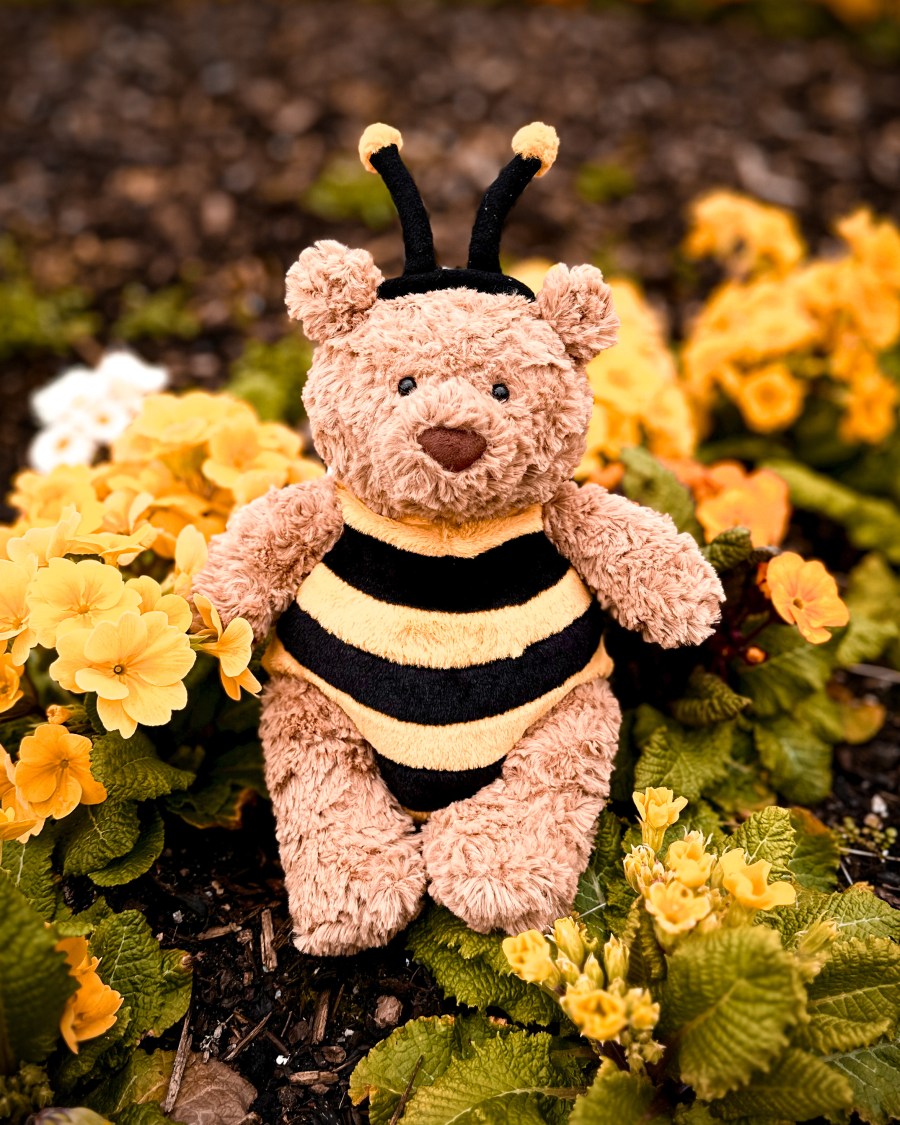
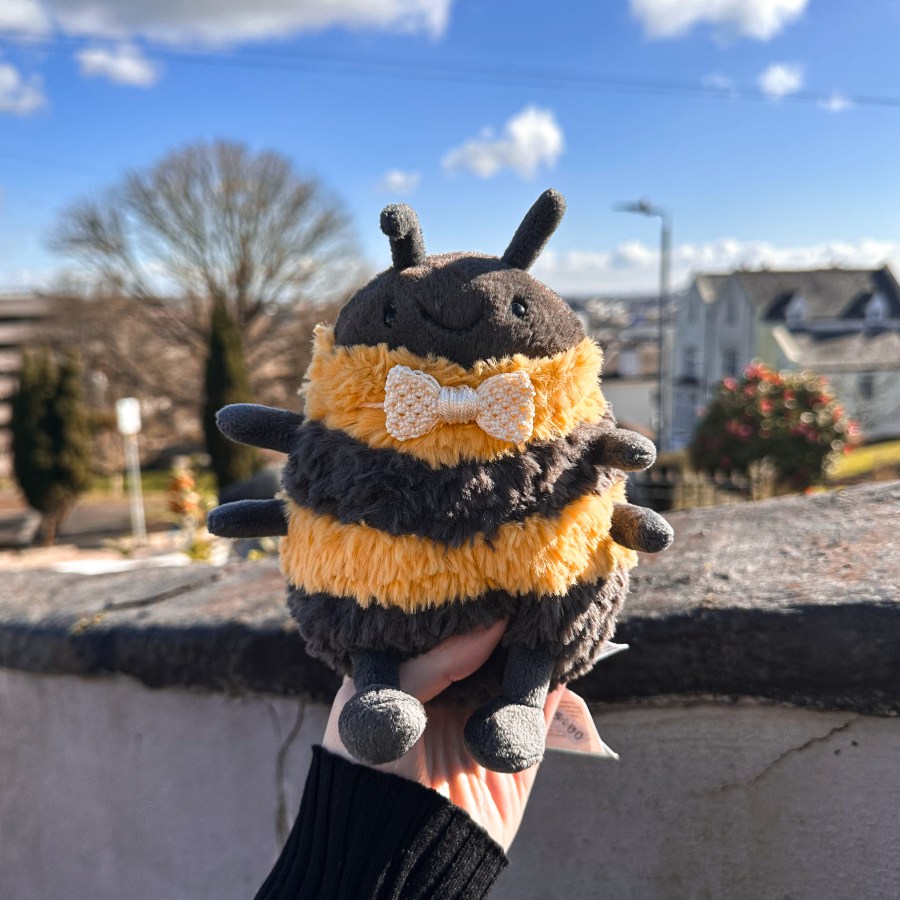
Depression feels like a black hole pulling me in, but sometimes, it’s the smallest things that keep me from crossing the event horizon—a Jellycat bee gifted by my son, the soft glow of a wax melt burner, or a plushie left in my bed to remind me I’m not alone.
Grief therapy has made me realise how much I’ve hidden parts of myself out of fear. This week, I’m challenging that. I’m sharing my truth, sitting with my emotions, and letting people misunderstand me if they choose to. It’s time to stop being ashamed of my rock—one stone at a time.
Eating disorders don’t check the calendar. They don’t pause, even for love. If love alone could cure eating disorders, having my son would have cured me. But this isn’t a choice. I want to celebrate his birthday fully, but instead, I’m bargaining with a mental illness that refuses to take a day off.
Escaping to Seren felt like the only thing to do while waiting to see if my crumbling tooth situation could get any worse. The Roost was warm, the coffee pixelated but still comforting. I was alone—until my son arrived, bringing life to my island, and a much-needed distraction.
Ambivalence is a superposition—wanting and not wanting recovery at the same time. This is what living with an eating disorder looks like: battling decisions that shouldn’t be battles, facing Greggs like it’s a boss fight, and walking away from cheese like it’s a trap. Clippy wants control. But so do I.