
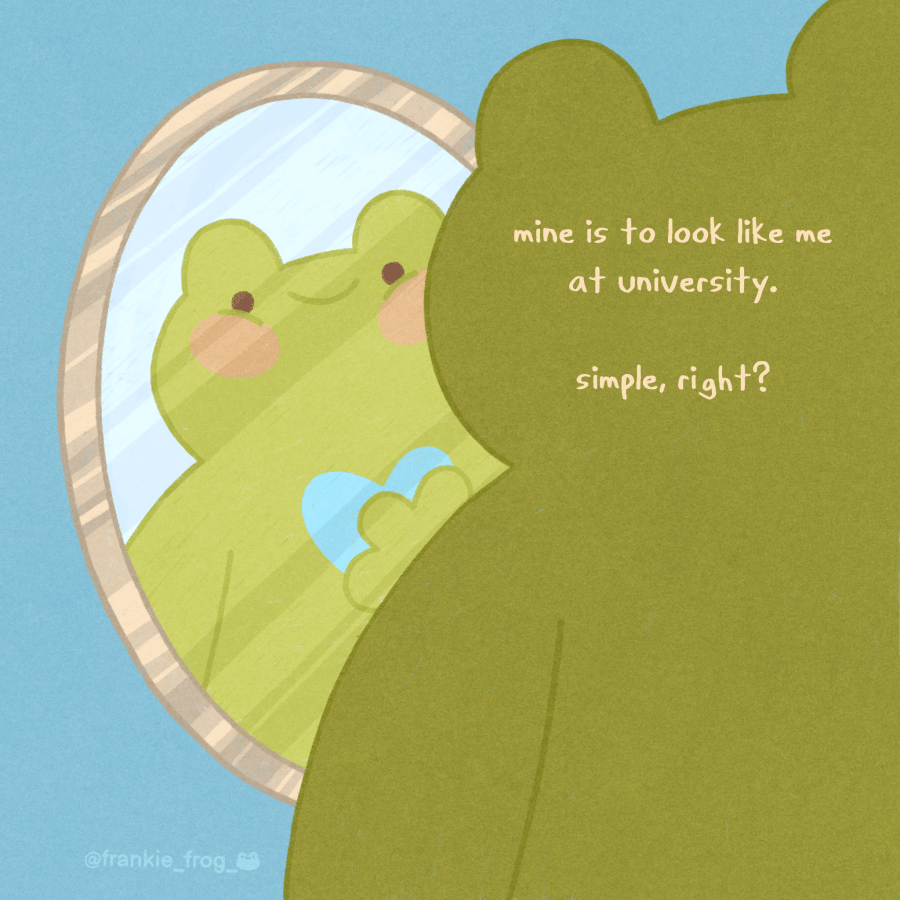
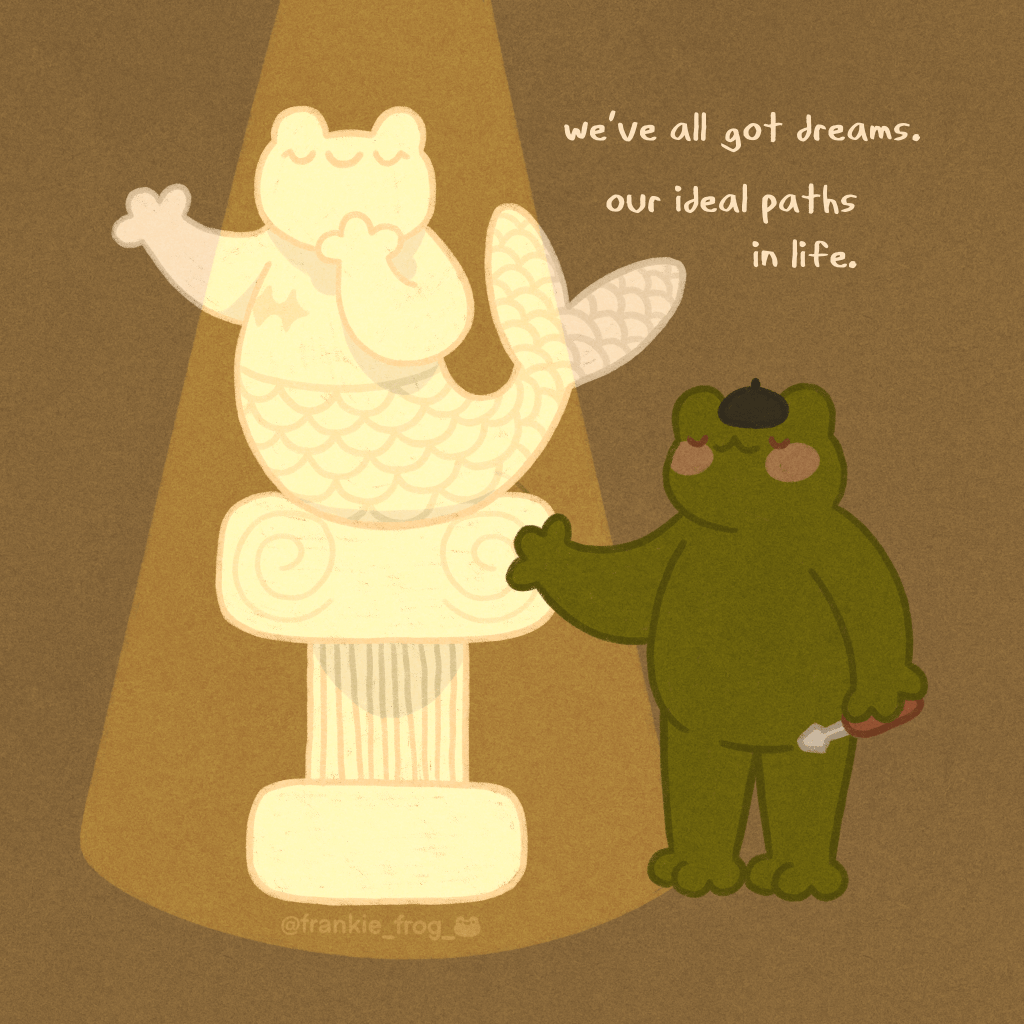
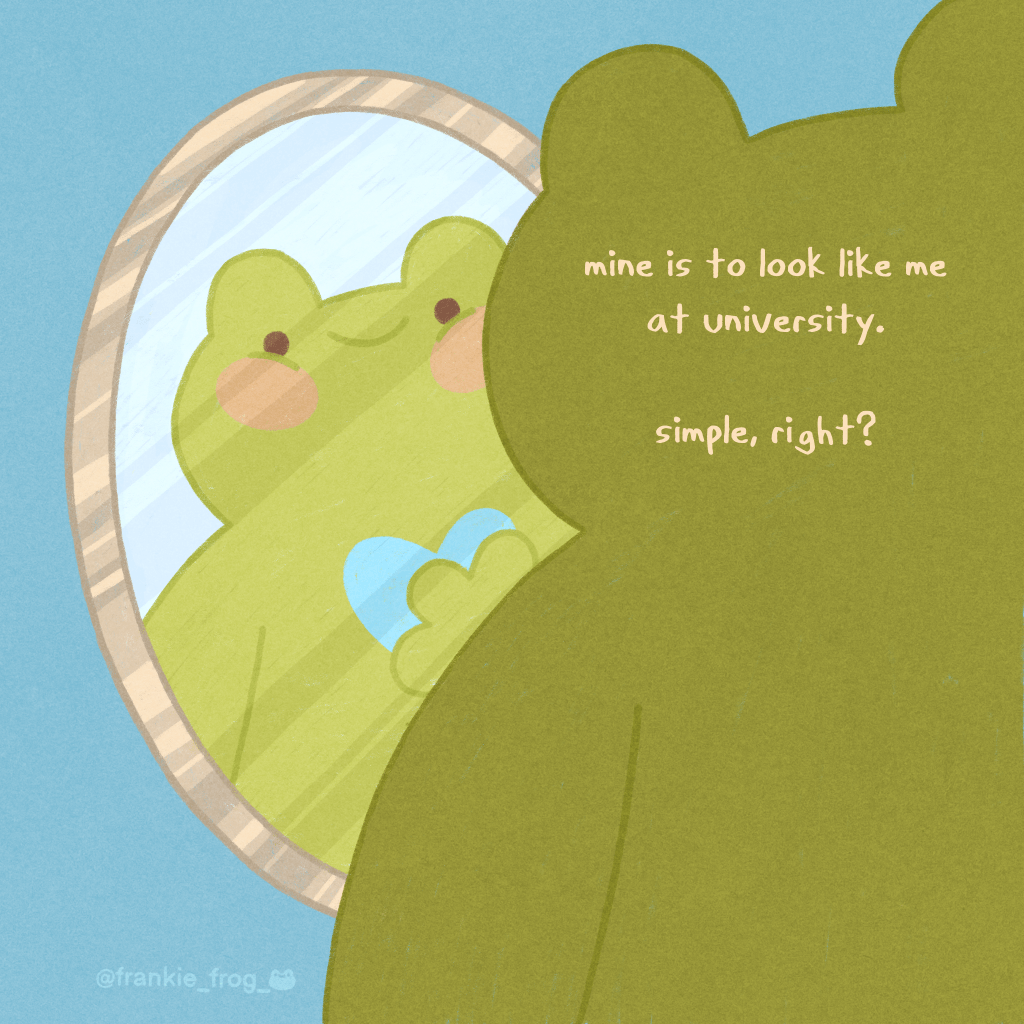
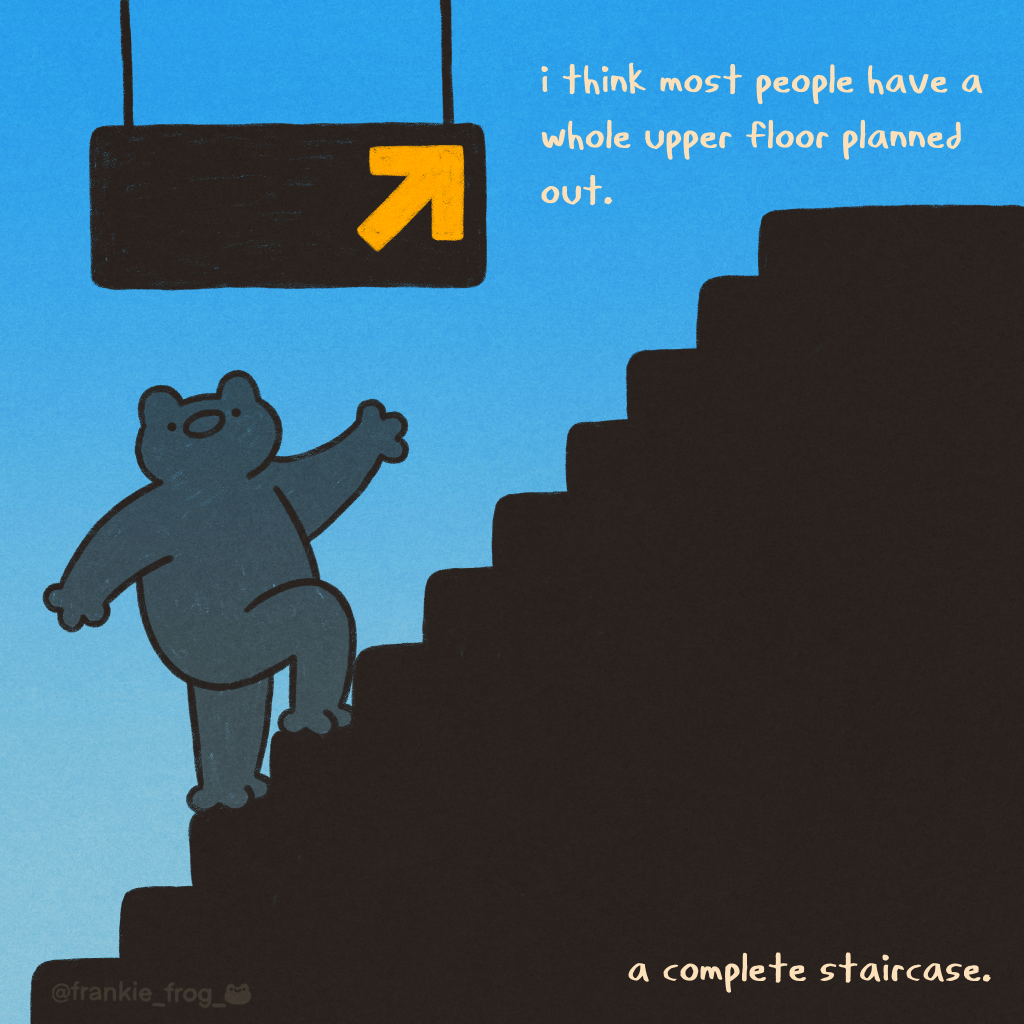
All of the images in this post were drawn on iPad by my son. He drew these drawings to announce his starting T on Instagram in his own words. He has given me permission to share his wonderful drawings and write this post. The rest of his drawings are on his Instagram – @frankie_frog_
For the last month, while battling my own ED recovery, I’ve been supporting my son as he takes the first steps in his gender transition. He’s just begun his second month of taking testosterone. Him starting T got me thinking about his entire journey – and what that’s been like from my perspective – because, in the most me way ever, I thought of a joke and then I got very deep over it:
“I forgot you taking T meant that you’d go through puberty again at 20. I thought that part of parenting hormonal offspring was behind me!”
Coming Out
I want to write about his journey – but to do that, I have to include what we both walked through to get here. I can’t separate his bravery from the broken systems he’s had to survive, or from the support I’ve tried to give him in a world that too often failed to.
When my son came out as trans at 14, I didn’t know much about it. Not really. I’d heard the word, sure – but only in that vague, media-filtered way that doesn’t actually teach you anything. The only “trans representation” I’d seen was that episode of Friends where they made Chandler’s parent a punchline. That was the extent of what I’d been taught. Not exactly a solid foundation – and it wasn’t even funny. I always found it uncomfortable.
I never had any prejudice or strong opinions about being transgender – because I didn’t know anything. Something I desperately wish other people would admit more often. I’d be a lot less second-hand embarrassed if people stopped giving loud opinions on things they clearly know nothing about.
When he told me, I literally said, “Okay, cool,” and he went to his room. I quickly grabbed my laptop and went on an internet deep dive. I didn’t want him to have to educate me – that’s not his job. I’m perfectly capable of typing into Google and learning for myself. I just wish I’d done it years earlier.
The Early Years
Googling sent me spiralling into memories of him as a little kid – I basically did the beginning of Inside Out in my head. The growing-up montage of Riley. That bit always makes me cry.
Even as a toddler, his bears would change genders. He actually came up with new genders for them.
Birl and Goy. Birl was a boy teddy who liked to present as a girl sometimes. Goy was a girl teddy who liked to present as a boy. This was way back in the early 2000s – gender just wasn’t being talked about yet. I certainly hadn’t heard of non binary or agender.
My 90-year-old grandad used to ask my son, “What gender is teddy today?” because he loved that sometimes Teddy wore trousers and sometimes a dress. My son would reply, “Teddy is a girl today hehe,” and my grandad would address Teddy as such. It’s a shame his daughter – my mother – didn’t have the same open heart. But the less said about that, the better.
The biggest clue came when my son was seven. We were in The Entertainer, and he tugged on my arm and asked:
“Why are these Legos for boys, and these Legos for girls? What does that make me if I like the boys’ ones? Am I a boy or a girl?”
That question in a toy store stuck with me forever.

At the time, with my limited knowledge, I thought he was just like me. I’ve always hated gender stereotypes. I’m not trans – I’m cis and identify with my birth sex – but I loathe the boxes people try to shove us in. My mother pushed hard to make me into the “right kind of girl” – dresses, tights, skirts, makeup, Barbies – and I just wanted to climb trees, play video games, and ride my bike. She made me feel broken for not liking girly things. But I never felt like not liking those things made me less of a girl.
So I answered him in that spirit:
“It doesn’t mean anything if you like ‘boy Lego.’ This store putting it in pink for girls and blue for boys is the ridiculous part. You can like whatever toys you want to and I will buy them – the point of toys is to make you happy.”
But what he was asking was so much deeper than that. And I see that now. Neither of us had the language back then to express what he was really asking. I’ve never questioned my gender. But my son was.
No Expectations
Parents love to say, “You can be anything in this world,” and then immediately list the terms and conditions of being their child. Sometimes subtly – steering kids into hobbies they don’t even like – and sometimes blatantly, by making love conditional on who they are.
I’ve never been that way with my son. My love for him has always been truly unconditional. I genuinely believed he could be anything in this world, and I couldn’t wait to find out who. I had no expectations – I was just waiting patiently for him to show me. Every step he took to find himself felt like a privilege to witness.
Every time he moved away from being a mini-me, I loved him even more – because I knew that part was truly him, not something I’d projected onto him. He was building a self. And I was getting to meet him, piece by piece.
So when he came out at 14, I didn’t lose anything. I didn’t “lose a daughter.” I just realised I’d never had one. He’s always been my son. I just didn’t know it yet.
That’s why, when he said, “I’m trans,” I said, “Okay, cool.”
Initial Difficulties
That’s not to say everything has been smooth sailing. Trans kids go through so much. His teenage years were especially hard – puberty was dreadful for him. The wrong puberty. I tried to get him help and we were referred to CAMHS, which was… less than useless. The therapist was lovely. The doctor was not at all and blamed me cutting off my abusive mother as the sole reason my son was struggling with his mental health.
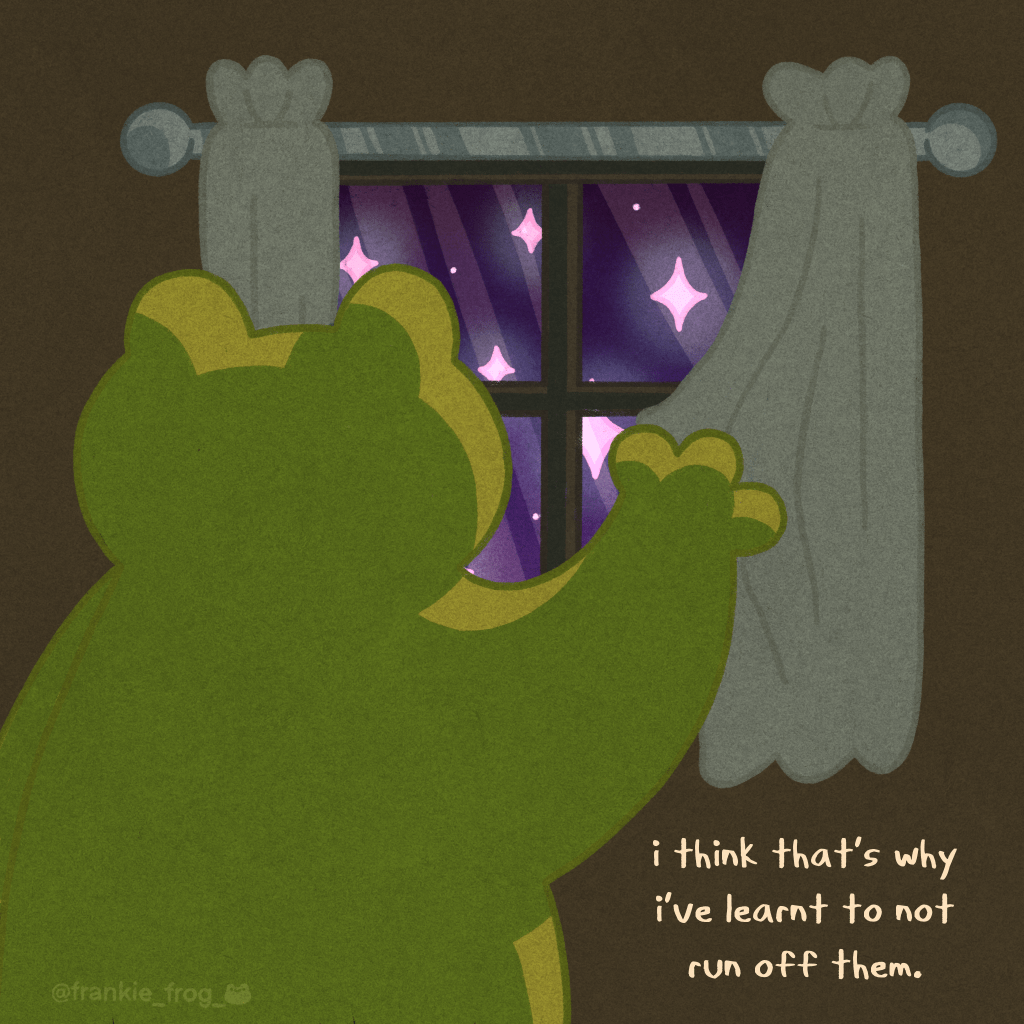
In the most quietly brave thing I’ve ever witnessed, my son helped himself instead. With no formal support whatsoever after being discharged – just me and Google – he gave himself therapy. He cocooned himself away from the world and emerged entirely new.
He changed his name. He shaved his head. He became the real and true him.
Thanks to his high school – which, to their credit, was fantastic – he was able to change his name and pronouns before it was all legally in place. They didn’t make it a big deal. They just supported him. I don’t know what we would’ve done without them.
The Illusion of NHS Care
Sadly, that school support didn’t extend into the wider medical system. I’ve mentioned my son many times to my mental health team, and you really don’t expect mental health professionals to be transphobic. But in my experience, they have been – more often than not. I still get startled when someone’s actually kind about it. I’ve often stated it in the first few seconds of entering a room so they can at least pretend they are not judgemental, and they still don’t even give me that courtesy sometimes.
I’ve heard things like:
“Oh god, not this – people don’t understand how hard my job is when I have to remember all this stuff now.”
“Why aren’t you upset about it? I’d be devastated if that was my child.”
“Did you want him to be trans? Did you encourage it?”
“It’s probably just some phase for attention.”
The worst part is when they deliberately misgender him – louder – to make their point. It’s not just cruel, it’s jarring. It makes me jump. The sudden volume shift – “Oh SHES at university, is SHE?” – is aggressive, and they know I have trauma. It happens a lot.
I always respond calmly: “Yes, HE is at university, and HE is doing very well.”
And they look at me like I’m the one being difficult. Like stating the truth, without flinching, is somehow a provocation.
My mental health gets instantly worse just by being in the presence of a so-called mental health professional who judges my child – to my face.
Which part of CBT is this, exactly?
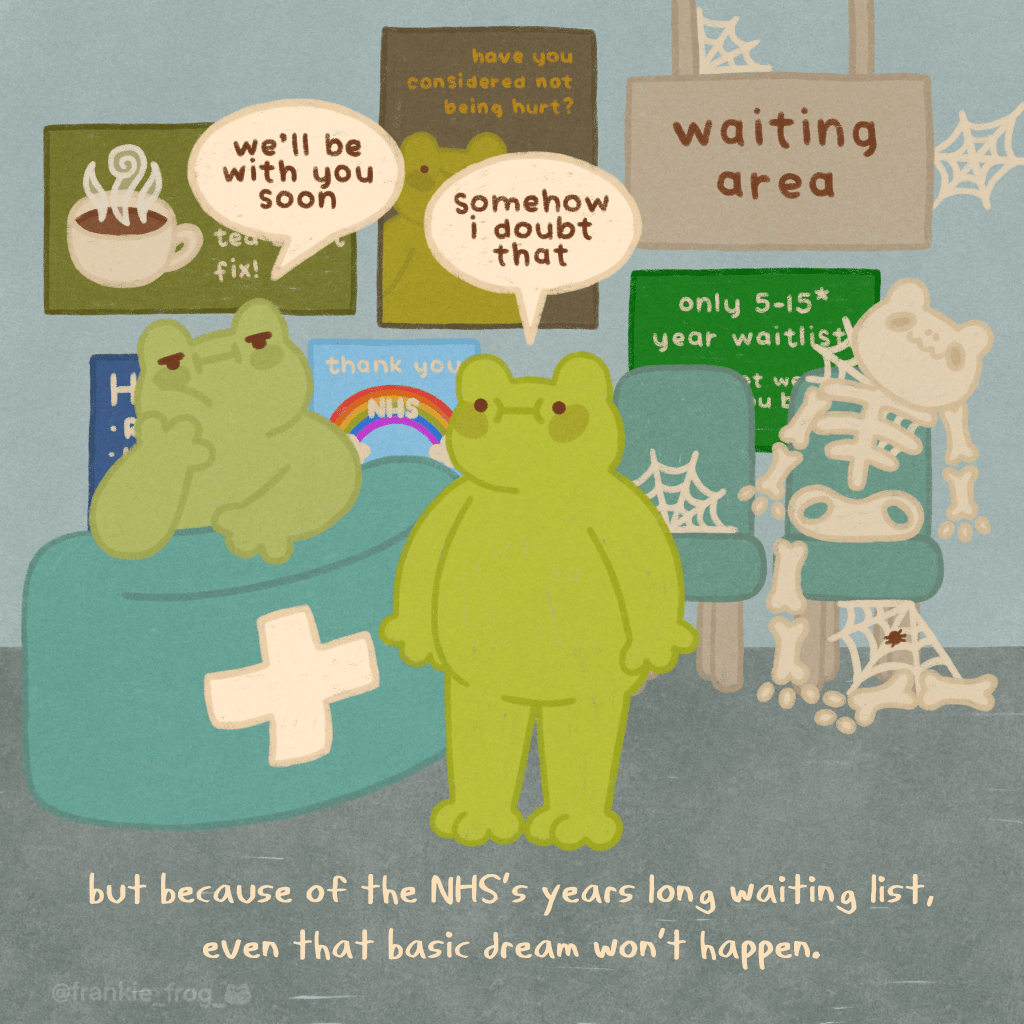
And now, continuing the long tradition of unhelpfulness, or making things way worse, my son is having to pay for his own medical treatment. The NHS waiting lists are so long, he’s using his student loan to fund necessary care.
When I gave birth to him, I never imagined I’d be bringing a child into a world where basic medical treatment was something you had to buy. Things were meant to be getting better back then. It feels dystopian now.
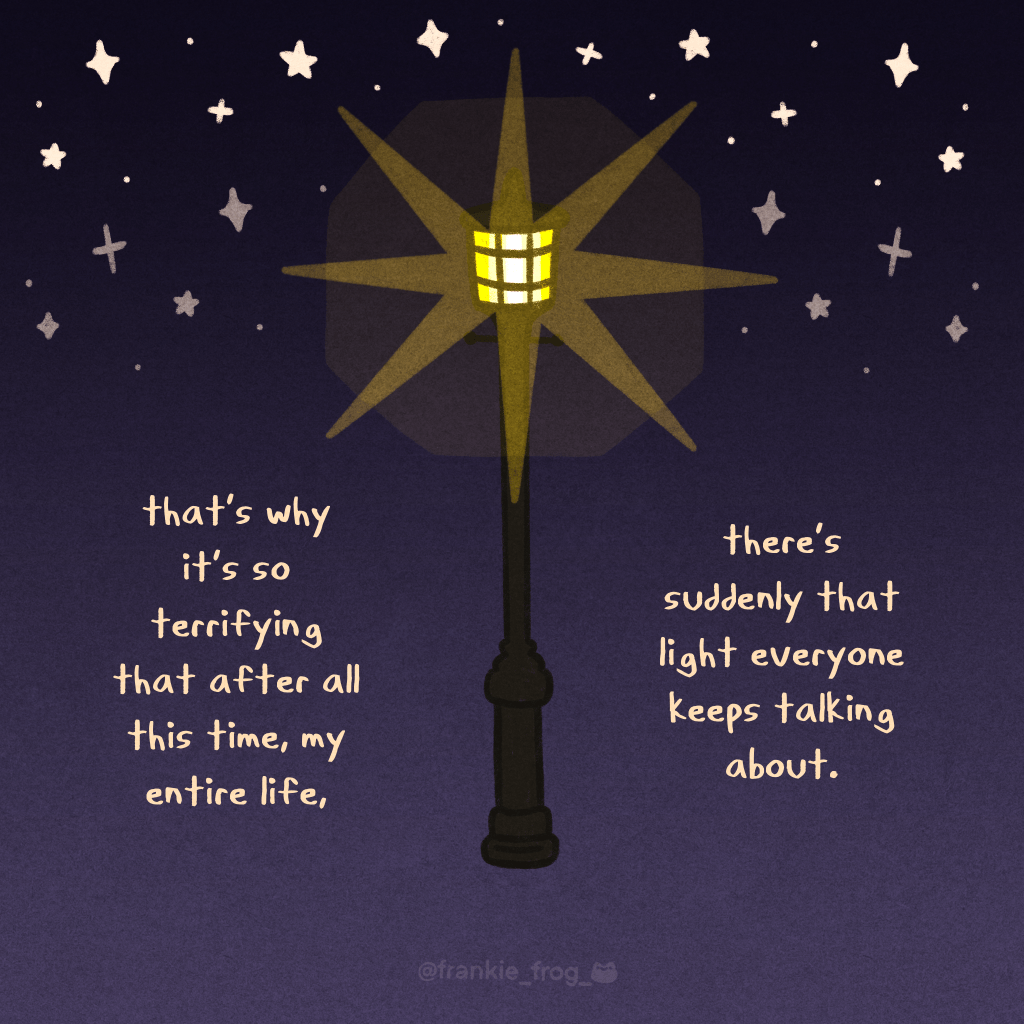
The doctor who put him on the waiting list told him to “be grateful it exists at all.” But what is there to be grateful for, when he’s paying anyway? It may as well not exist.
We’ve been through this entirely alone. If it weren’t for his school, we wouldn’t have had any support at all.
My Son Survives Somehow
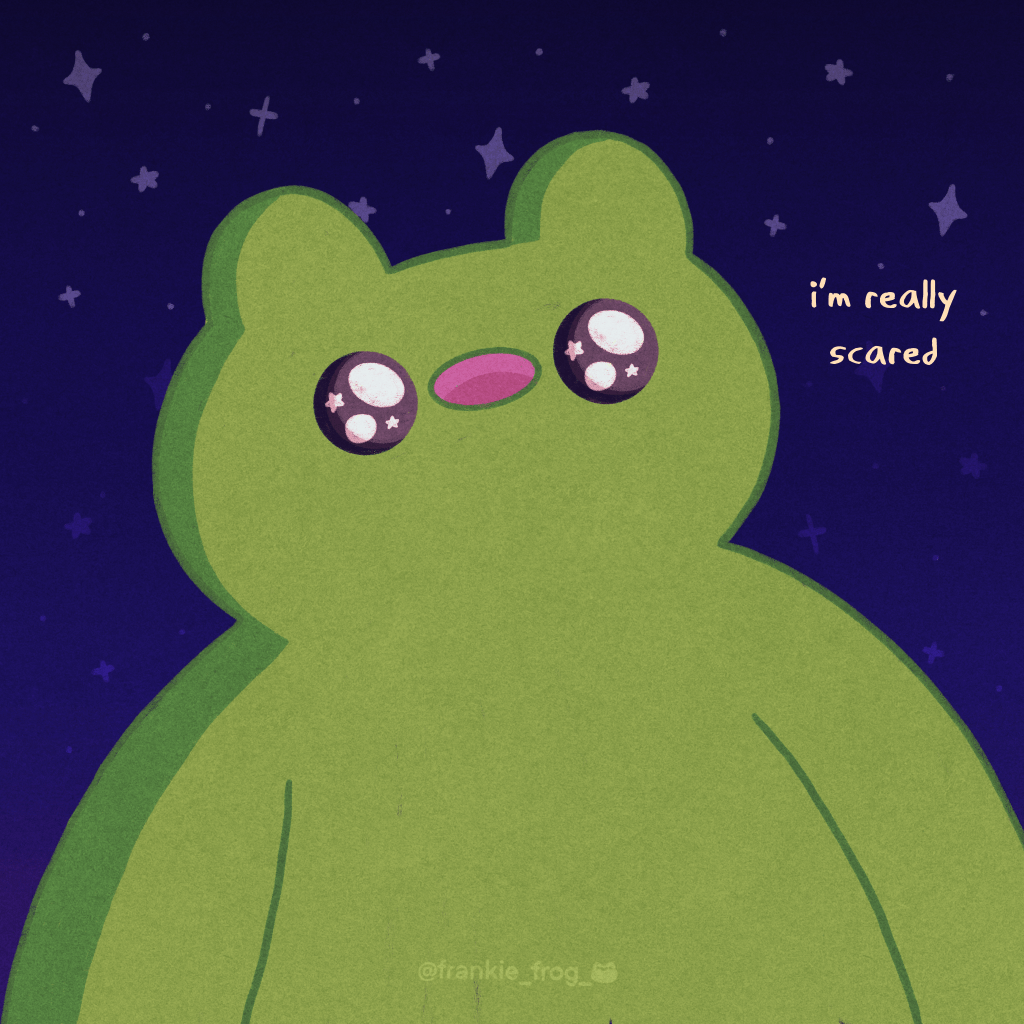
Despite everything, my son is the most fantastic human I’ve ever known. Despite all the difficulties it has been a privilege to watch him, on his own, develop into his own person.
Even in the roughest moments of his life, he got As and A*s. He got into university. He’s just finished his first year with multiple Firsts – all while juggling other medical issues on top.
I watched him do it, and I still don’t know how.
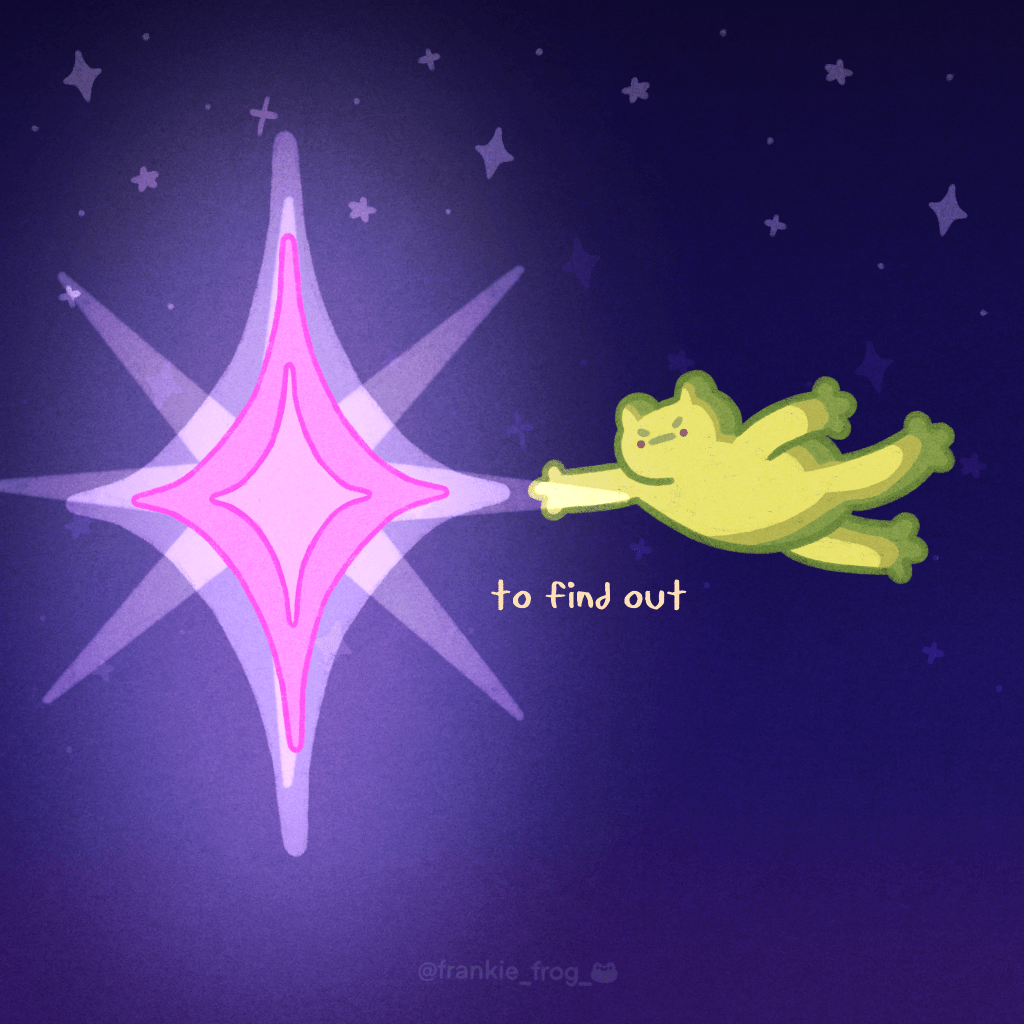
Sometimes, he seems like he’s just surviving – barely getting through – and then somehow, by sheer will and brilliance, he fools the world into thinking he’s thriving. And maybe he is. Maybe it is thriving. His way.
A lot of trans kids don’t make it out. The odds are against them. But it’s like he’s done well out of spite. He’s studying Investigative Journalism – and I swear, one day, he’s going to write a scathing manifesto on the state of NHS care, and I will frame every single page.
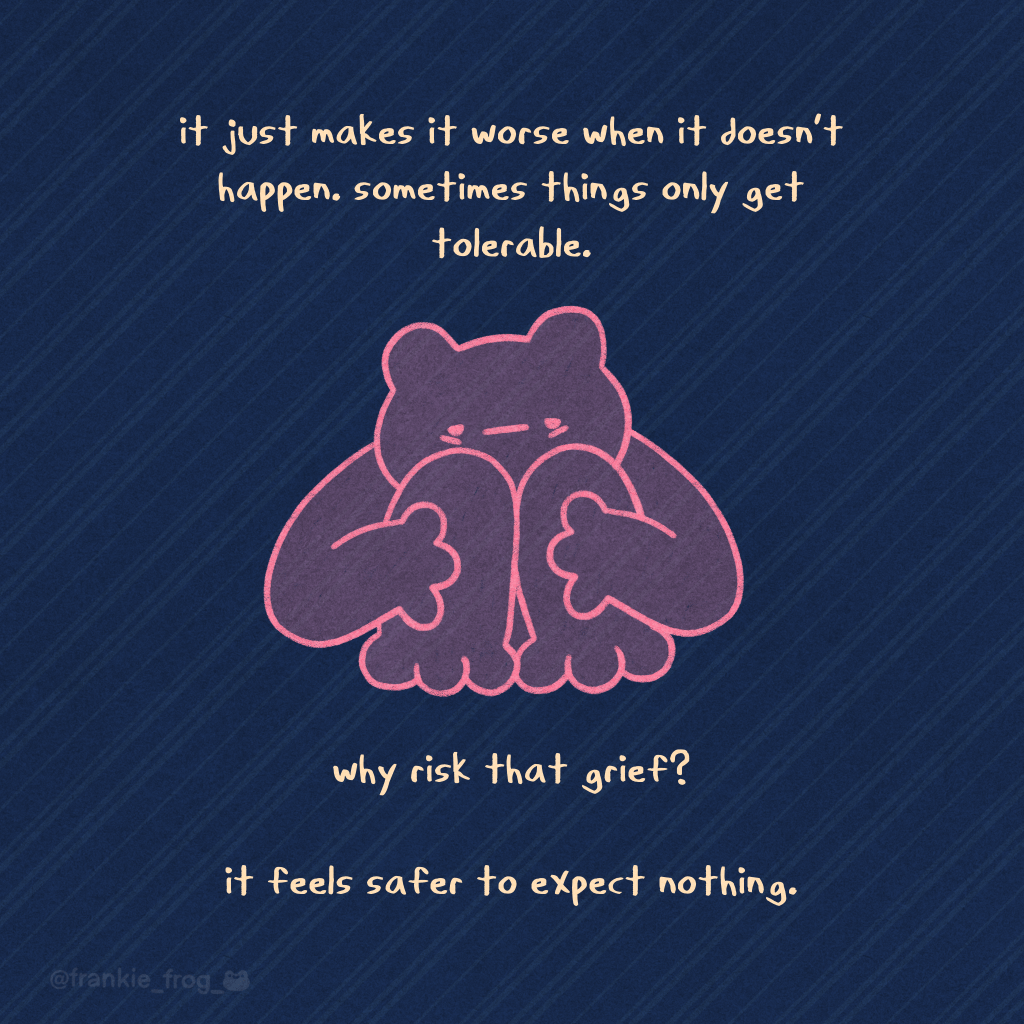
And now, here we are – one month on T. He’s going through hormonal chaos, changes, and grief. And still, we’re doing it alone.
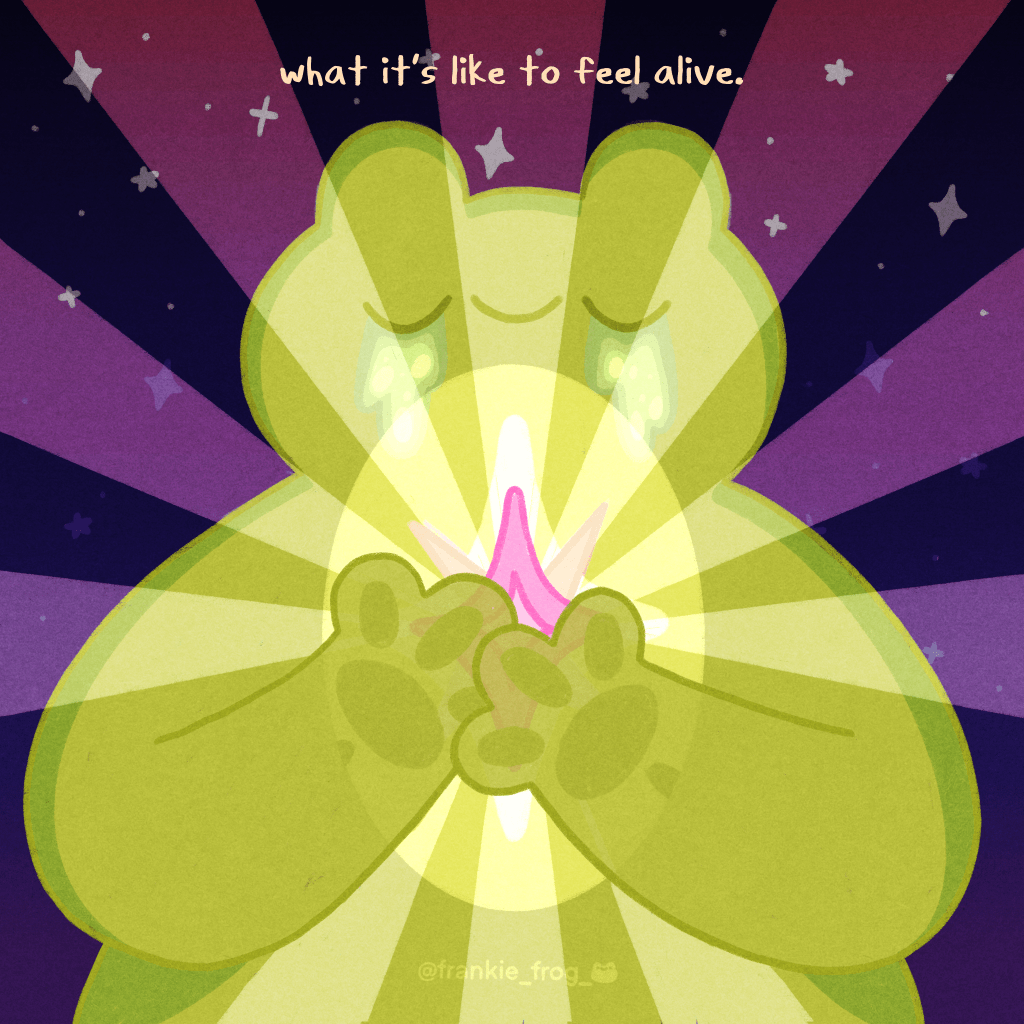
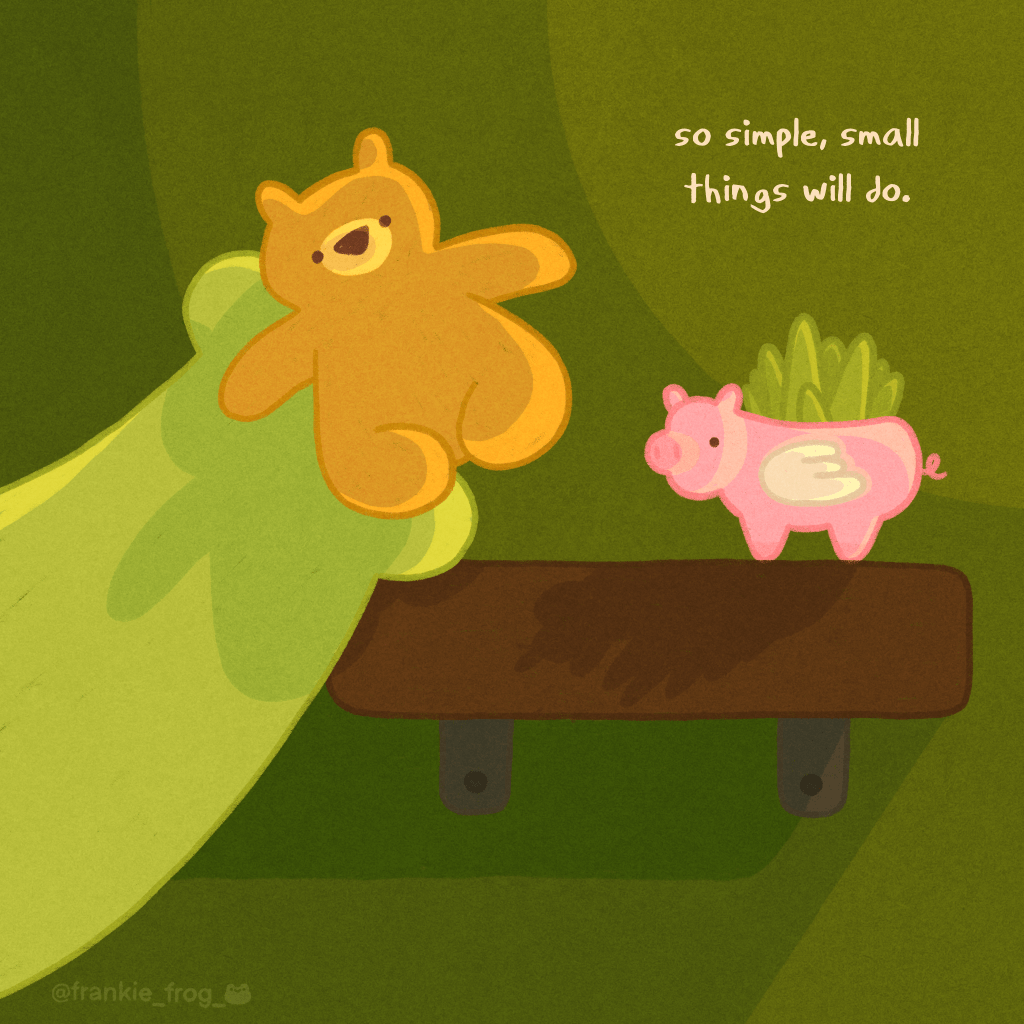
But yesterday he put up shelves in his room for his plushies.
And he’s still utterly fantastic.
My son chose the song for the anthem of this post. The Line by Twenty-One Pilots.
 Absurd Universe
You’re an incredible mom. Thank you for sharing this story. Most people, in general, need to admit they don’t understand anything about being transgender. That’s where a lot of fearmongering comes from. A lack of understanding.
I’m happy for you and your son.
LikeLiked by 1 person
That year has soon gone by at University. I hope the next term goes well for him too.
LikeLiked by 1 person