
For Eating Disorder Awareness Week, I thought I’d share some awareness posts here on my blog. I thought the best place to start was 9 ways you can support someone with an eating disorder. It’s very likely someone you know is struggling, and these tips can help them feel seen, respected, and cared for.
1. Do NOT talk to them about their weight, appearance, or diet — and do NOT talk about yours either.
This point, is probably the most important. Weight is an incredibly triggering and loaded topic for anyone with an eating disorder. It should NEVER be mentioned to them. In fact, I believe weight talk shouldn’t be brought up at all. Reducing someone to numbers is dehumanising, and honestly, there are far more interesting (and non-loaded) things to talk about.
When I share that I have an eating disorder, please don’t take that as an invitation to tell me about your diet. It’s baffling how often people respond with, “Oh, I’ve been on a weight-loss diet!” Good for you, I guess? But I’m sharing something vulnerable about my mental health — not asking for weight-loss chat or tips. And no, I’m ABSOLUTELY NOT going to give you tips either. Eating disorders are mental illnesses, not diet plans.
Never comment on someone’s appearance either. Even well-intentioned comments, especially during recovery can be triggering. Please DON’T say things like: “You look so much healthier!”, “You’ve gained so much weight — you look great!”
I know it might seem like encouragement, but it often makes us hyper-aware of every pound gained. I’d prefer to believe people aren’t monitoring my body every time I gain weight.

Instead, talk to us about literally anything else. If you want to give a compliment, make it non-weight-based:
“I love your new hair!”,
“That bag is so cute!”,
“Your new glasses are perfect on you!”
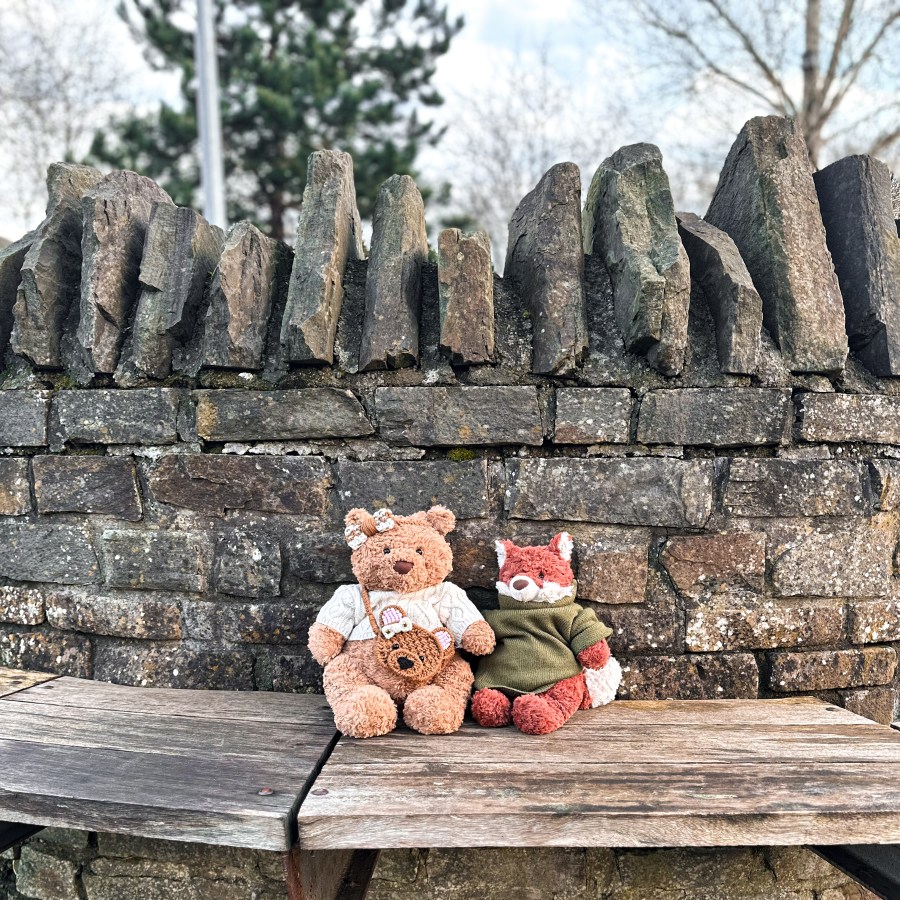
The people who have helped me the most are the ones who talk to me about my love for Jellycats. Chatting about my bears and penguins makes me feel more seen and supported than any comment about my body ever could.
2. Do NOT Talk About Food
For people with anorexia, like me, starvation makes our brains obsessively focused on food. I probably want to talk about it a lot — but that’s a symptom of my disorder, not a choice.
Others with eating disorders might find any conversation about food deeply triggering. My advice is to take the lead from the person with the eating disorder before bringing it up.
But whatever you do, NEVER comment on what the person is eating — or not eating. Saying things like, “Is that all you’re eating?” or “Wow, you’re actually eating today!” is an absolute NO.
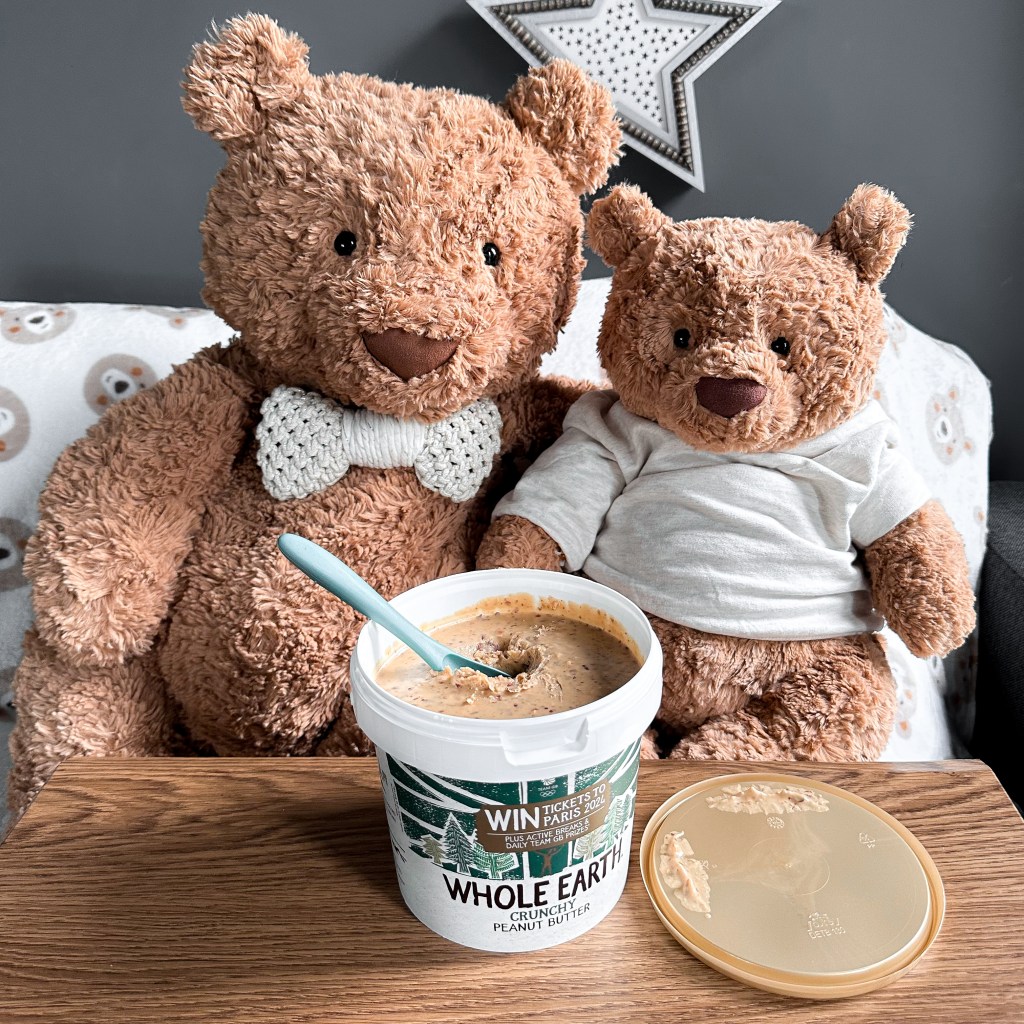
Mentioning ANYTHING about what we’re eating in recovery is also off limits. Extreme hunger in recovery is normal, but can absolutely look anything but normal – I had quite a few entire jar of Nutella moments. It can also be quite distressing we don’t need anymore attention drawn to it.
Just like weight, food intake isn’t something you should comment on with anyone. Mostly because it’s boring (seriously, there are more interesting things to talk about), and also because it’s incredibly triggering. When you point out what we’re eating and how much, all we hear is that you’re keeping track — and trust me, we’re already doing that enough ourselves.
3. Be Patient With Them
Having an eating disorder is exhausting. I’m exhausted from the moment I wake up. My mind is completely occupied with food for most of the day. Isolation is also a symptom of eating disorders — so if your friend seems withdrawn, stops replying, cancels plans (especially when food is involved), or seems like they’re hiding, please try not to take it personally.

I hate feeling so distant, but the truth is, I’m really not well. Someone with an eating disorder is in survival mode — running on empty, quite literally, just trying to make it through the day without enough fuel. The exhaustion feels similar to having a physical illness, like severe anaemia. In recovery, that exhaustion is even more intense, and sometimes, we need to be self-focused just to get by. Your patience — and not blaming us for it — means more than you know.
The best thing you can do is keep letting them know you’re there. We know you are, but being reminded is comforting. And even if they keep turning down your invitations to hang out or go to restaurants, please don’t stop inviting them. It helps more than you realise.
4. Offer Support, Not Unsolicited Advice
It’s tempting to want to “fix” someone you care about, but eating disorders are complex. Saying things like “Just eat more!” or “You have nothing to worry about” isn’t helpful. Trust me, we’ve heard it all before. Instead, let them know you’re there. A simple “I’m here for you, no matter what” can mean the world.
We don’t need advice. Most of us already have treatment teams offering plenty of that. And if they’re older, like me (I’m 41), I promise — I’ve heard everything. Yes, I’ve tried everything. I’ve asked for all the help I can get. I’m not just sitting here twiddling my thumbs, letting my relapse spiral out of control. I’ve done everything I’m supposed to do.
And please, don’t ask about our therapy if you don’t understand how therapy works, especially right now. Therapy is expensive in many parts of the world, and here in the UK, the state of the NHS makes it just as hard to access treatment. My treatment team knows I’m here, struggling. There’s no magic phrase I can say to make them care more. I’m not sitting here like this because I gave up — I’m sitting here alone with it because they did.
Sometimes, the best thing you can do is just listen. Let them rant, cry, or talk about how awful everything feels without trying to solve it. Just being there, without adding more stress or judgement, means more than you’ll ever know — especially when the state of things feels unbearable.
5. Celebrate Non-Appearance Based Wins That Remind Us Who We Were
Did your loved one manage to book an appointment? Celebrate them. Did they show up to an appointment they really didn’t want to go to? Give them all the praise. Are they trying to reconnect with something they used to love? Let them know how proud you are.
These little moments can mean SO much to someone struggling with an eating disorder. They remind us that we’re still seen as a person — not just an illness.
I know that sometimes their appearance can feel attention-grabbing and worrisome. But your loved one is still in there somewhere — a whole person, not just the illness you see on the surface.
One of the keys to recovery is finding ourselves again, and your reminders can help us get there. When you’re deeply entrenched in an eating disorder, it’s easy to forget who you used to be. You can help us remember.
Say things like:
“I remember how much you loved this hobby.”
“I’ve always admired this unique trait of yours.”
“You are so intelligent, kind, and thoughtful.”
Little reminders like these can help us hold onto the parts of ourselves that the eating disorder tries to erase.
6. Educate Yourself First — Then Ask Questions
I feel fortunate that eating disorder information is so accessible these days. When I was growing up, there was nothing — I had an eating disorder and didn’t even know it. But now, with so much information available at the click of a button, it’s frustrating how many people still refuse to use it.
Being a good friend in the age of information means that if someone tells you they have an illness you know nothing about, the bare minimum is to educate yourself.
Websites like Beat provide detailed information on eating disorders, including a range of lived experiences. While no two eating disorders are exactly the same, these resources offer a solid foundation to understand the disorder beyond stereotypes.
Please don’t expect the person who is mentally unwell to be your personal educator when information is already out there. Instead, do some reading on your own. Once you understand the basics, then you can ask questions. Thoughtful questions, like:
“I read this persons blog online — does that match your experience?”
“I learned that eating disorders aren’t just about food — what does yours feel like for you?”
This shows that you actually care enough to learn, instead of placing the burden on them to explain everything from scratch while they’re struggling.
7. Expect Them To Be Ambivalent
Ambivalence — feeling stuck between wanting to recover and not wanting to — is completely normal in eating disorders and recovery. It’s not a sign that your loved one is being difficult, rebelling against treatment, or hopeless. It’s just a symptom of living with an eating disorder.
I know how hard it sounds — that someone might not want to get better when all you want is for them to recover. But ambivalence doesn’t mean they won’t recover. I went through my entire last recovery feeling this way. I even had a mantra:
“Recovery is awful and I hate it, but I’m going to do it anyway” – me 2012.
Ambivalence also doesn’t mean they never want to get better. More often than not, it means they’re terrified of what recovery will bring. The best thing you can do is listen, even if what they say is painful to hear. Their fear doesn’t mean they’re not trying — it’s just part of the illness.
I have actually written a personal experience of ambivalence in this post, if you would like to know exactly what ambivalence can look and feel like.
If you want to help, ask questions that remind them what they want—outside of their eating disorder. Try:
“If you could recover tomorrow, what would you do?”
“What’s something your eating disorder has taken from you that you want back?”
“Can you write down reasons why you want to recover?”
They spend all day hearing what their eating disorder wants. Sometimes, they need help remembering what they want.
8. Also Expect Them To Relapse (or Lapse)
Relapses and lapses are a normal part of eating disorder recovery. They don’t mean someone is doomed to fall back into their eating disorder forever, or that they’ve given up, or that they’re not working hard enough. It means they’re in recovery, still learning how to navigate stressors without using their eating disorder as a coping mechanism.
I had many lapses over my 12 years in weight restoration. But every time I pulled myself back, I saw more clearly how my eating disorder wasn’t helping me cope — it was just hurting me. I know I’m sitting here now in a pretty bad relapse, but I spent 12 years only having lapses until then. That’s still 12 years I stayed out of it. That still matters.
One of the things I think could have helped prevent this relapse is having someone who knew my history, who would have recognised that my best friend’s death would trigger a huge wobble. If I were in their place, I would have made sure support was in place. I would have reminded me I wasn’t alone.
Stressors like exams, major life events (even good ones), grief, stress — they all have the potential to cause a relapse or lapse. People with eating disorders need someone or something to turn to that isn’t their eating disorder.
I’m sitting here in this relapse because when everything in my life fell apart when my best friend died, I had no one and nothing. And I don’t want that for anyone else.
9. Little But HUGE Ways My Son Supports Me
My son is 20, and he has been absolutely fantastic at supporting me through this relapse — even though I’ve never once told him what to do. I wanted to share some of the little ways he helps me feel seen, because while they may seem small, they make a HUGE difference.
When I’ve had a rough mental health day, he leaves little notes and one of his plushies in my bed. It makes me feel less alone at night, and when you have an eating disorder, nights can feel incredibly isolating. Sleep is often a struggle, so having a small reminder that I’m loved helps more than words can say.
When I say I can’t do something food-related, he never gets frustrated or upset. He doesn’t draw attention to it—he just says, “I’m sorry you’re struggling.” That means everything. If he were frustrated, it would just make me hate myself more for not getting better for him. His kindness helps break that cycle of guilt.
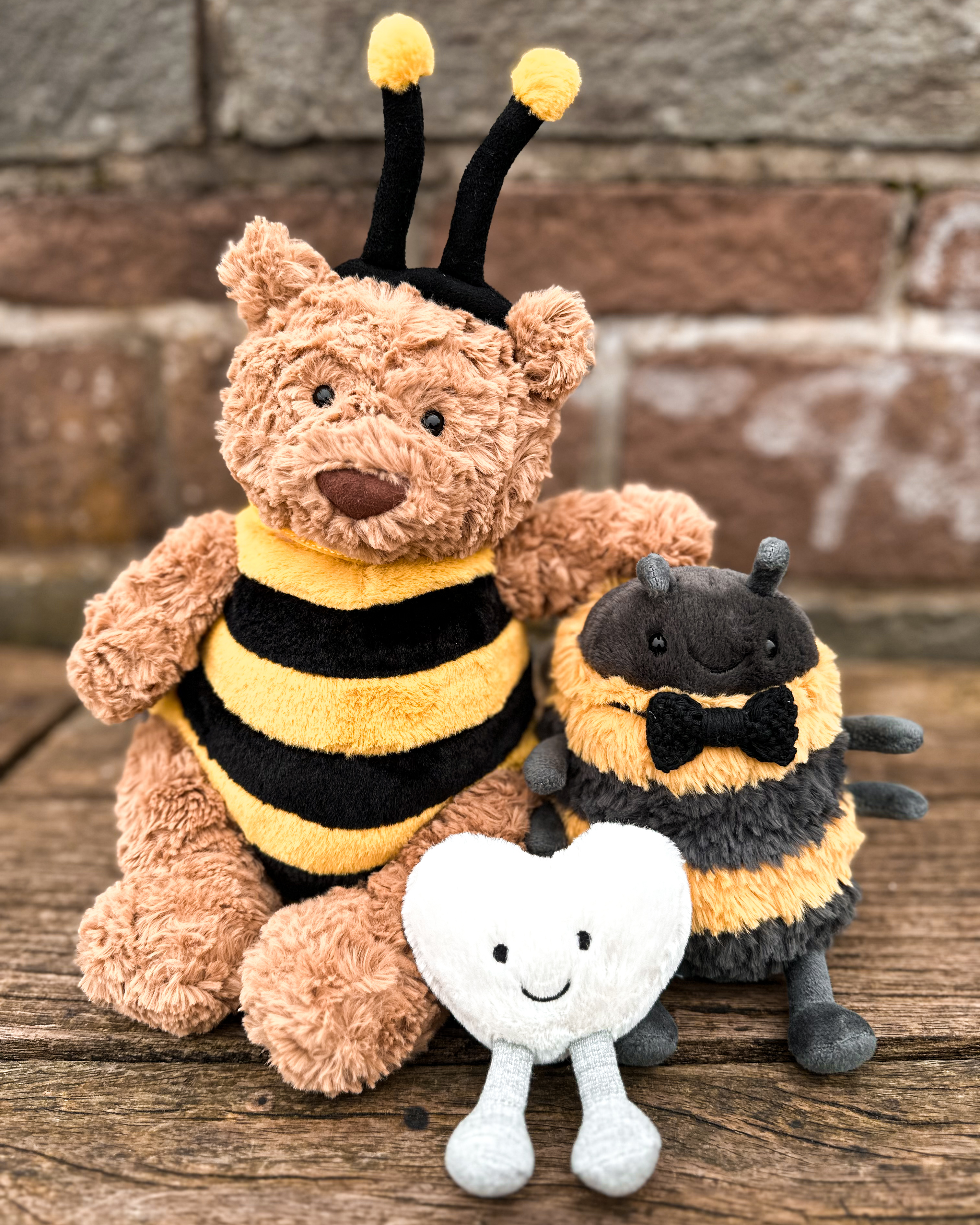
He’s bought me quite a few Jellycats since my relapse. I LOVE Jellycats, and they’ve given me so much comfort. Buying me non-food gifts to show he cares makes me feel so seen—like I’m still me. I’m not just my eating disorder. I’m a mother, who loves Jellycats, and just happens to struggle with an ED.
When I’m negotiating with my ED over a fear food, he makes little, gentle suggestions.
“What if we cut it into a bear shape? You love bears, maybe it’ll take the edge off.”
He never forces, never pressures—he just finds a way to bring me into it instead of my eating disorder.

When he surprises me with something from the shops, it’s always on my safe list.
It’s never a challenge food, never something that would cause a battle. Instead, it’s my favourite things:
An Americano.
My favourite safe bread from Marks & Spencer.
San Pellegrino, the superior fizzy water.
The surprise is never about pushing me — it’s about showing he knows me. And that’s what makes all the difference. His support consistently makes me feel like a person, not an illness.
You Don’t Have To Be Perfect
Supporting someone with an eating disorder isn’t about having the perfect words, or knowing exactly what to do. It’s about being there. Listening without judgement. Meeting them where they are. Letting them know they are more than their illness.
Some of these things might seem small, but small things add up. A kind word, a safe presence, a Jellycat left on a pillow — it all matters more than you know.
And if you’re ever unsure how to help, just ask: “What do you need from me?” Sometimes, knowing someone wants to understand is the most supportive thing of all.
 Absurd Universe
These are really great tips so I thank you dearly for sharing them.
LikeLike
This was a great post, and good suggestions as well 🙏
LikeLike