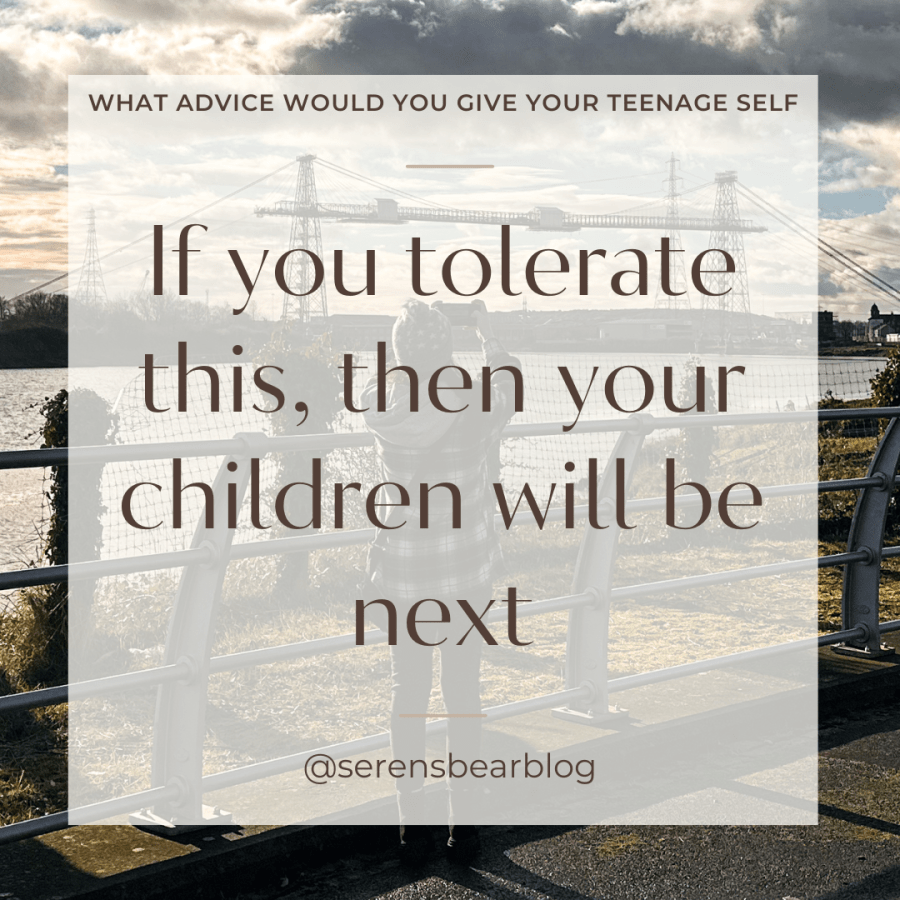
If you tolerate this, then your children will be next. Your mother does not love you, and she will not love your child either. This is the advice that would have changed so much for us had I heard it when I was a teenager.
Grief, ED recovery, Mental Health and all the lovely things that give my Sisyphean rock meaning
If you tolerate this, then your children will be next. Your mother does not love you, and she will not love your child either. This is the advice that would have changed so much for us had I heard it when I was a teenager.

Grief therapy has made me realise how much I’ve hidden parts of myself out of fear. This week, I’m challenging that. I’m sharing my truth, sitting with my emotions, and letting people misunderstand me if they choose to. It’s time to stop being ashamed of my rock—one stone at a time.
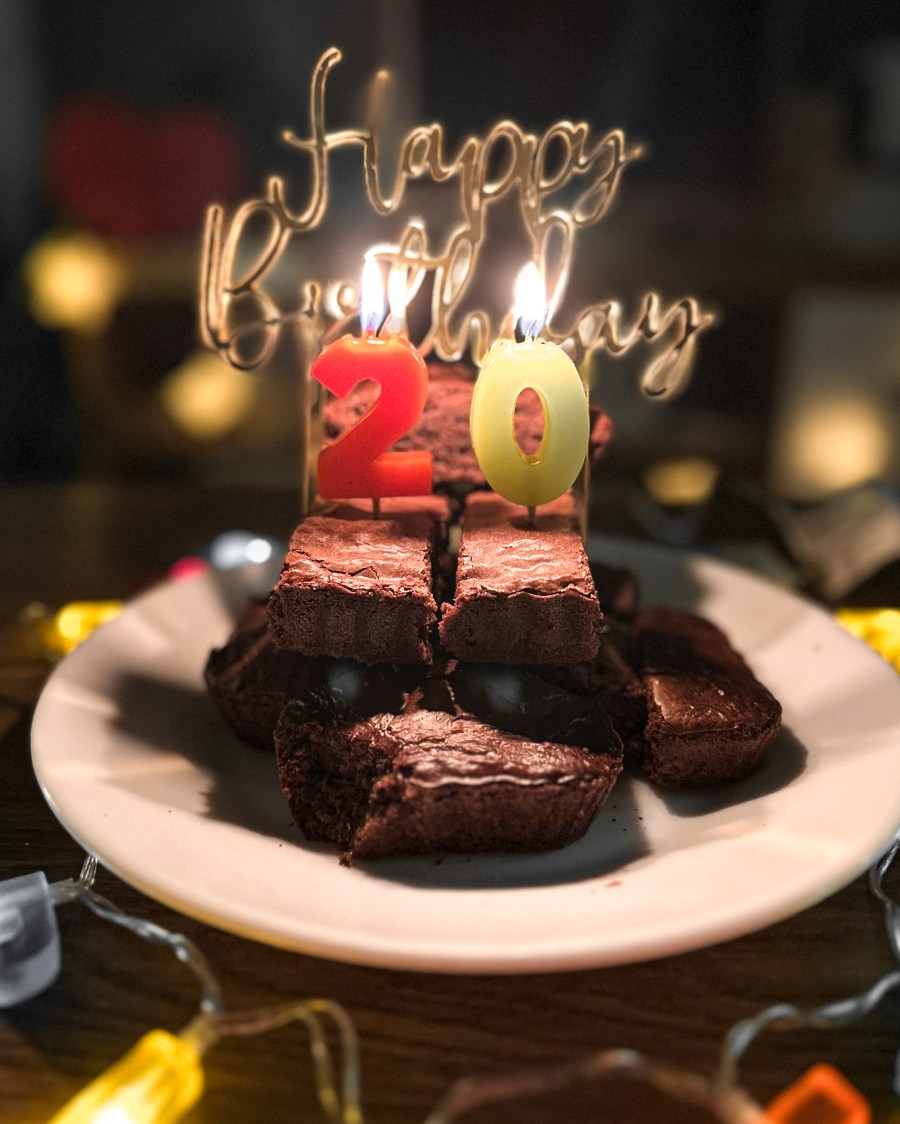
My son’s 20th birthday was filled with brownies, Jellycat bears, and love — but also an exhausting battle with my depression. I gave everything I had to make his day special, even when my mind was fighting me every step of the way. He smiled all day. I just wish I could’ve felt it too.
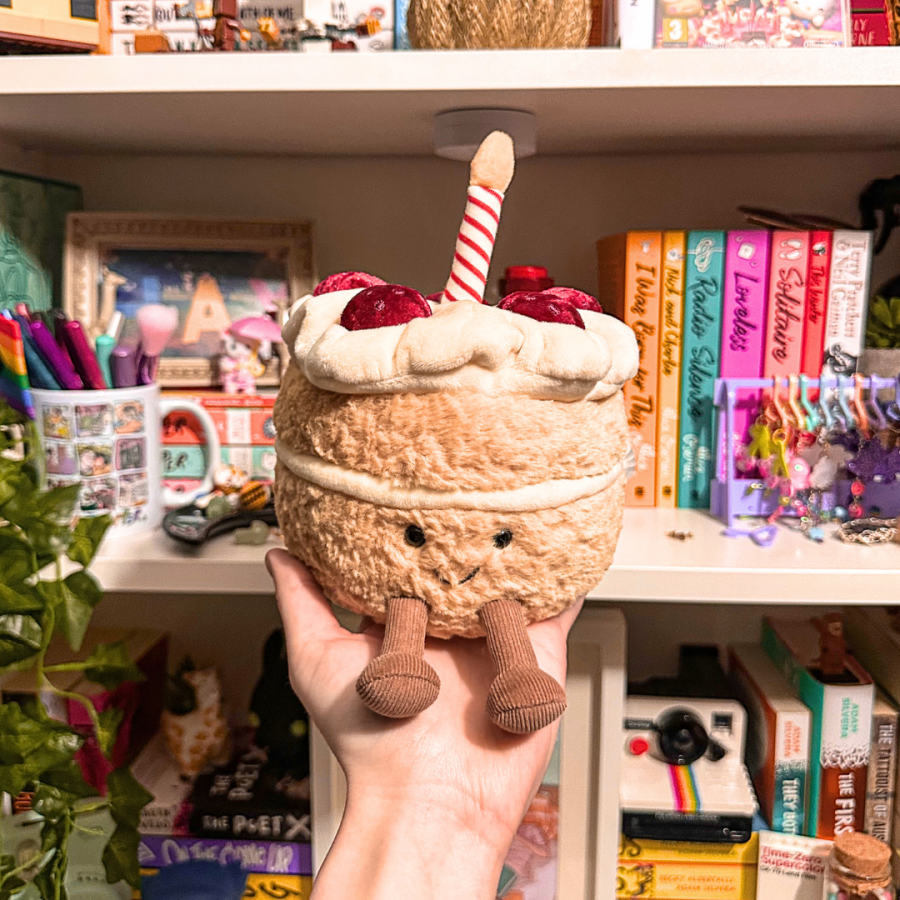
I can’t believe you’re 20. Two whole decades of you in my life, shaping me just as much as I’ve raised you. Watching you grow into your most authentic self has been the greatest privilege. No matter where life takes you, you’ll always have me, quantum entangled, forever
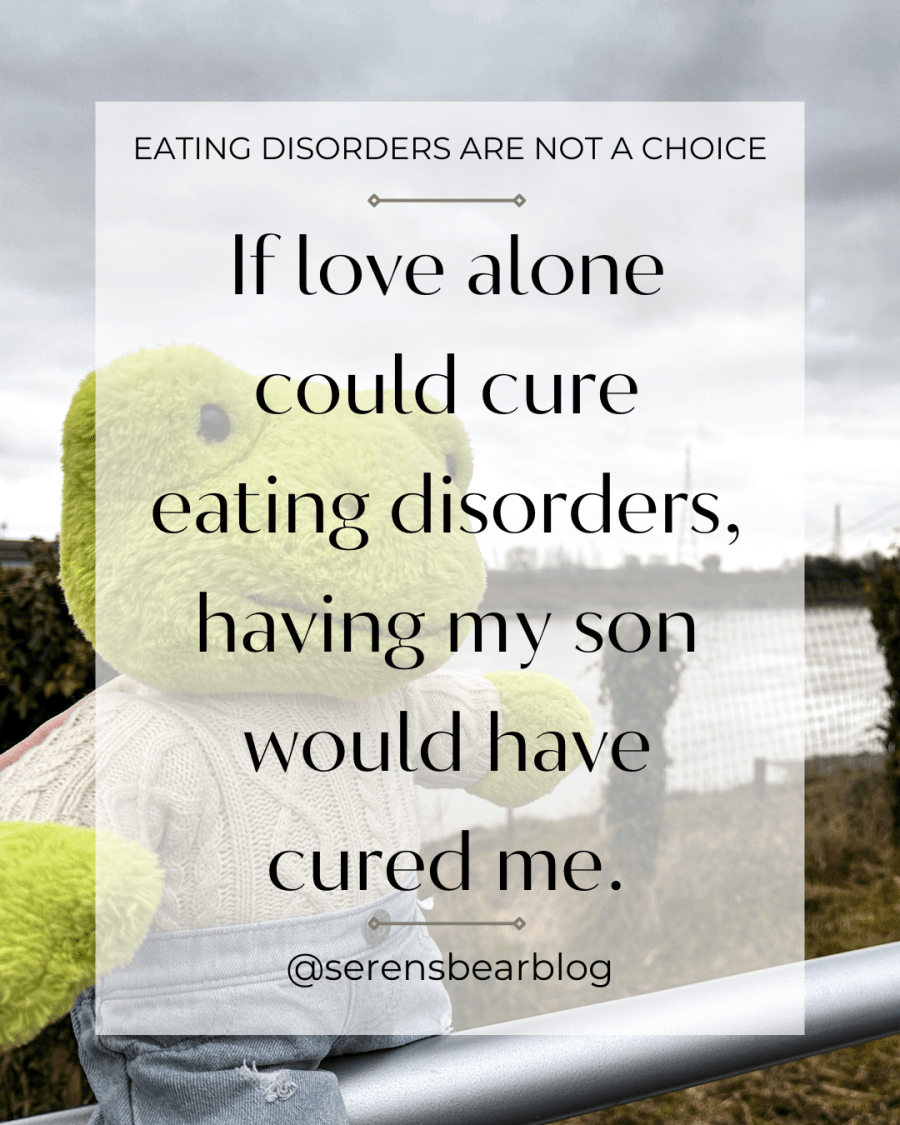
Eating disorders don’t check the calendar. They don’t pause, even for love. If love alone could cure eating disorders, having my son would have cured me. But this isn’t a choice. I want to celebrate his birthday fully, but instead, I’m bargaining with a mental illness that refuses to take a day off.
I woke up in a panic, handled NHS frustrations better than usual, found comfort in Starbucks and plushies, and ended the day very on-brand with an existential crisis over my medication increase. Don’t know why I’m hoping—so fucking naive. Falling for the promise of the emptiness machine.
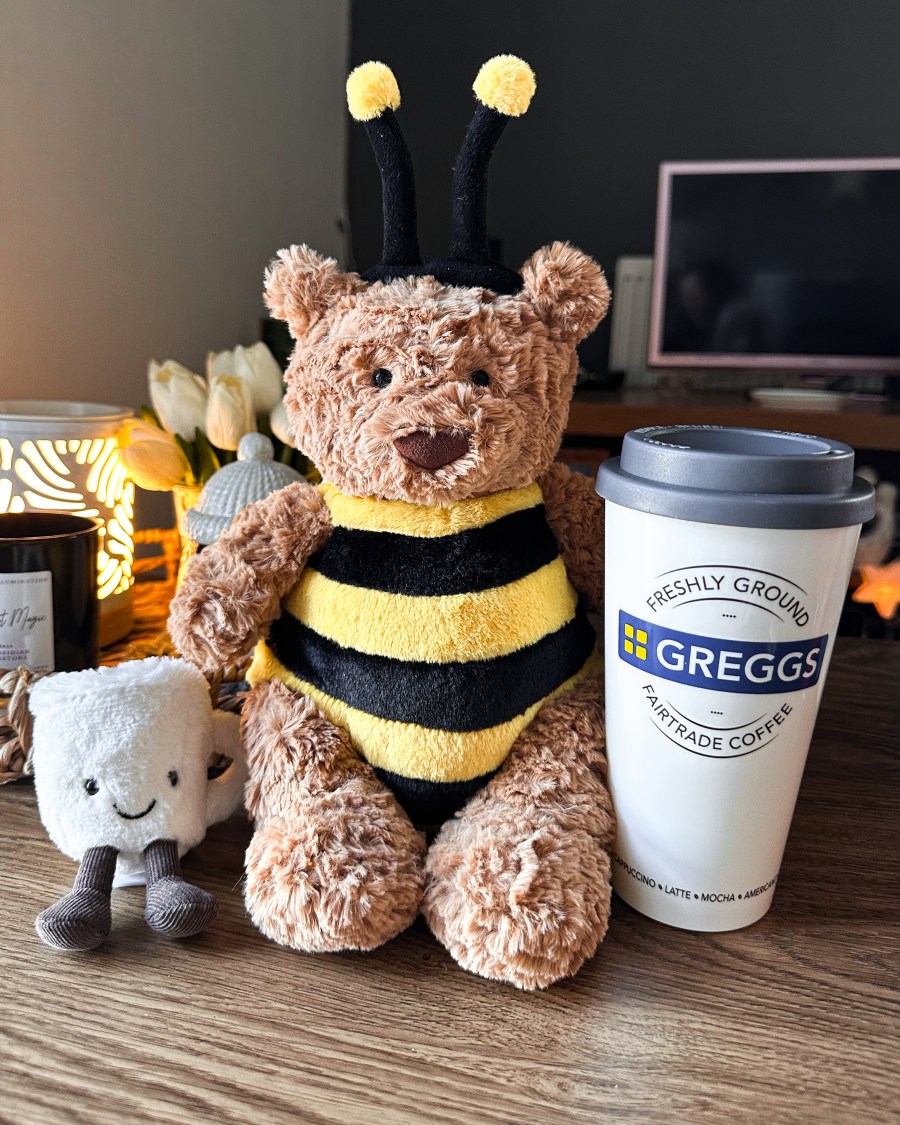
It took two days to get an emergency dentist appointment, which gave Corrupted Clippy—my eating disordered thoughts—full reign. I could barely eat, and Clippy was LOVING it. Even after the dentist, it whispered, “What a shame you can’t eat. Guilt-free restriction!” I shook my head. Shut up, Clippy.
Imagine sitting in the metaphorical waiting room for therapy, convinced your name will never be called. Then suddenly, it is — and an hour later, you’ve had massive realisations about grief, silence, and finding yourself again. My first grief therapy session was unexpectedly eventful, and it’s just the beginning.
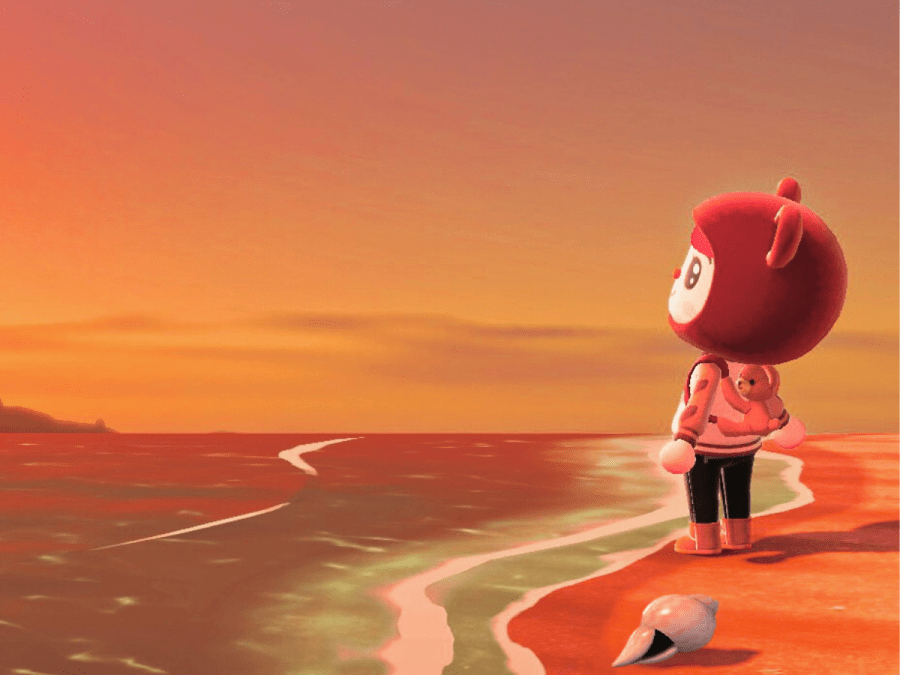
Escaping to Seren felt like the only thing to do while waiting to see if my crumbling tooth situation could get any worse. The Roost was warm, the coffee pixelated but still comforting. I was alone—until my son arrived, bringing life to my island, and a much-needed distraction.

Ambivalence is a superposition—wanting and not wanting recovery at the same time. This is what living with an eating disorder looks like: battling decisions that shouldn’t be battles, facing Greggs like it’s a boss fight, and walking away from cheese like it’s a trap. Clippy wants control. But so do I.

