Note:- Discusses ED recovery.
I haven’t really talked about my ED recovery in a while. If you’ve been following me, you’ll know I relapsed after 12 years in recovery. I re-entered recovery in April last year.
I’m currently at a healthy weight, but I’m very far from recovered – or even stable.
After a recent medication increase, things shifted again. It helped in some ways and hindered in others. The bittersweet symphony of Quetiapine. It’s forced me to look hard at myself – at my intentions, my patterns, and the uncomfortable reality that I cannot rely on bodily cues alone to keep myself safe.
Exactly where I am with my ED might be a series of posts. I don’t tend to have one neat realisation at a time. They arrive in batches of ten at 4am, usually while I’m crying and spiralling during a depressive episode.
It’s probably why I hate Windows updates so much. They seem to work the same way.
The Tracking Lore Drop
Before the Quetiapine increase, I was tracking everything – calories, macros, bodyweight, weighing food. All of it. I told myself it was only for good reasons. I believed that. My reasoning was simple: the methods I used in recovery last time didn’t work for my body or the conditions I have.
I did “all in” 12 years ago – it wasn’t called that back then, but that’s essentially what it was. And I knew I couldn’t do that again. It was horrendous for me – my joints, my blood sugar, my mental health, my appetite cues. Eating disorders are mental illnesses. If a recovery method makes your mental health worse, something isn’t right.
The structured meal plan approach didn’t work either. That’s why I went “all in” on top of it last time – I could feel something was off but didn’t understand why. I was told repeatedly that my hunger and fullness cues would settle. They never really did, even after 12 years weight-restored at my set point. One of the variables? I started Quetiapine in late recovery.
Quetiapine can alter appetite, hunger, fullness cues, and energy levels. Because of these effects – including sedation-related reductions in activity – weight gain is a recognised side effect. Not inevitable. But common. I maintained the same weight on it for 12 years. It didn’t stop me relapsing either.
These specific side effects of Quetiapine made themselves extremely apparent when I recently increased the dose – Very low hunger all day. Intense hunger every evening. Every two to three hours. Sometimes constant until 4am.
Eating consistently during the day didn’t switch it off. It felt identical whether I’d eaten all day or not. Initially, this was manageable because I was still tracking. But then the Quetiapine started doing what it’s meant to do. My anxiety lowered. The compulsiveness softened. The tight grip I had on everything that entered my body loosened.
And I stopped tracking.
That’s when I realised something uncomfortable: my intentions hadn’t been entirely pure. Tracking wasn’t just about stability. It was also about control. About perfectionism. About recovering “the right way.” About optimising every calorie.
So I let go. I ate what my body wanted, when it wanted it and what followed were weeks of chaos. My body screamed for carbohydrates. Almost exclusively. Very little interest in protein. Even less in fat. There’s a narrative that your body always asks for exactly what it needs. I wanted that to be true.
But what happened instead was blood sugar instability, constant fatigue layered on top of sedation, inconsistent intake, and a body that felt anything but balanced. Following my cues alone meant I was sometimes eating as little as 20g of fat a day. Worse, I didn’t eat all day long and only ate food at night. At 20, maybe you can get away with that. At 42, in perimenopause, with underlying conditions? Apparently not.
What I realised – reluctantly – is that tracking had been doing something neither my cues nor my mood could reliably do: it was providing structure. Balance. Adequate protein. Adequate fat. Routine. Stability.
After a few weeks of that chaos, I have made the decision to bring tracking back. Not because my ED demands it. But because my nervous system needs scaffolding. Even if that scaffolding is something my ED once weaponised.
I Hate That I Have To Track
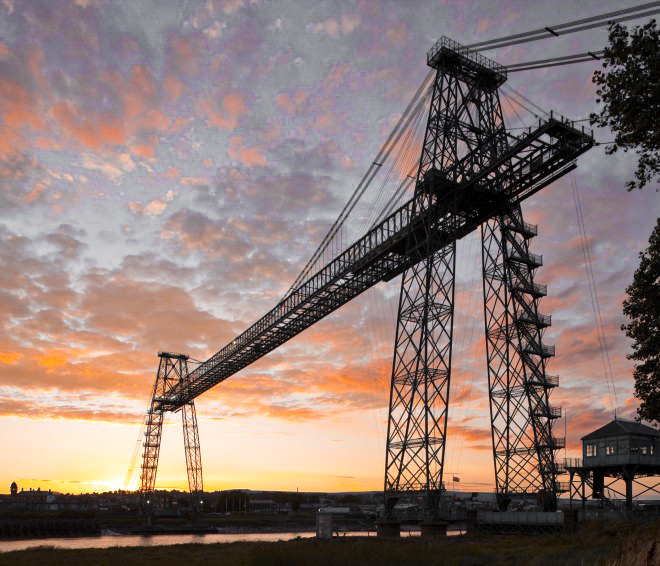
There is scaffolding around my building right now. It’s loud. It’s intrusive.
It woke me up at 8am this morning with hammering so violent that pictures fell off my wall. I hate it. But it’s there because the building needs vital work to make it safer. I hate the scaffolding I need for similar reasons despite it making my body safer to live in.

If I’m being entirely honest, I realised I needed some kind of tracking in my last recovery too. I needed structure. I needed a specific plan. The two problems were:
1. I couldn’t find something that actually worked for my body.
2. I was deeply upset that my hunger and fullness cues never regulated the way I’d been told they would.
I was told over and over that if I weight restored and stayed there long enough, my body would “just know.” That it would settle. That it would balance itself out. It didn’t.
I worked hard at recovery. I maintained my weight for 12 years. And yet I still couldn’t eat intuitively in the way people describe – relaxed, neutral, responsive. I didn’t know what “full” felt like. I didn’t trust hunger. I felt broken. That part hurt more than the food.
So this time, I knew something had to change. One of my genuinely pure intentions in tracking originally was to gather data – to understand what actually stabilised me. And I accidentally found things that helped. When I stopped tracking, I stopped doing those things.
People keep talking about protein lately, and apparently I’m about to become one of them. Increasing my protein intake has been one of the most stabilising adjustments I’ve ever made. Believe me that I HATE that it’s true. That those women online preaching about protein in perimenopause were not talking complete nonsense. Protein is expensive. It requires planning. It isn’t exciting. But it regulates my hunger better. It reduces the evening chaos. It supports muscle and bone, which – at 42, in perimenopause, with a long ED history – is not a trivial concern.
Bones build slowly, they’re glacial. Muscle declines relatively quickly after 40. The best time to start supporting them was years ago. The second best time is now.
There’s a tendency in ED recovery spaces to treat certain behaviours as permanently contaminated if the disorder once weaponised them. Tracking. Movement. Protein. Structure. The logic makes sense: if something was used for harm, abstain from it. But life isn’t lived at 19 forever and I think it’s too simplistic. There is an ice skater in the Olympics who struggled with an ED, at some point it’s quite likely his ED weaponised his ice skating, he shouldn’t have had to give up his dreams of skating at the Olympics just because his ED may have weaponised it at some point.
Add to the fact I am 42, protein and movement aren’t optional choices or “diet culture”. They are long-term mobility insurance, and lower the risks of breaking a hip. Balanced nutrition affects daily function. Sedentary living hurts my joints. Perimenopause changes how my body responds to food and movement. Avoiding everything my ED ever touched would be simpler. But simpler isn’t the same as healthier.
Maintenance is required for every human body. Sometimes that means scaffolding. Structure. Routine. Intentional movement. Adequate protein. Balance. The key difference isn’t the behaviour. It’s the intent. If I track to shrink, to punish, to control – that’s illness. If I track to ensure adequacy, stability, and long-term function – that’s management and self care.
My medication increase made something very clear: this is a mental health disorder. When my anxiety lowered, the compulsive edge softened. The tracking itself wasn’t inherently pathological. The mental state driving it was.
So yes, I have realised that I have to track. Even though I hate it, even though I feel broken for knowing I wont ever have normal hunger cues or ever be able to eat intuitively. Not because I’m chasing perfection. But because, for me, right now, structure is safer than chaos.
Depression Enters the Chat
It’s going to be difficult to keep up with tracking without slipping, but it’s something I just have to be responsible for. When I’m depressed, I forget basic things. I’ll get to midnight and realise all I’ve had to drink all day is coffee. Not because I’m trying to restrict fluids – just because my brains interoception cues are offline.
Structure is harder when energy is low.
Quetiapine has helped in some ways with my ED. It’s lowered the anxiety and softened the compulsive edge. But it hasn’t magically stabilised everything. I’m still vulnerable.
And I keep coming back to this uncomfortable thought:
I’m 42. Maybe it’s time to accept that I need scaffolding. Not because I’ve failed. Not because I’m incapable. But because waiting for effortless stability hasn’t worked before. When you’re younger, you can believe that eventually everything will regulate itself if you just try hard enough. When you’re older, you have decades of data.
Insanity would be doing the same thing again this recovery, and expecting a completely different result. This time I can’t believe the magical thinking that often goes along with food talk online, instead I have to accept the reality of my body and like it the way that it is.
Twelve years of weight restoration didn’t suddenly produce intuitive eating in the way I was promised. My hunger cues never became neutral or reliably balanced. My physiology – especially on medication – never became simple.
“Eventually” starts to sound less like hope and more like postponement. Abandonment. Avoidance.
I don’t want to spend another decade waiting for a version of stability that may not exist for this body.
I also don’t want to feel annoyed at my body for not being like everyone else’s anymore – for not offering the kind of automatic regulation I kept expecting. Maybe body neutrality, for me, isn’t about loving how it looks. Maybe it’s about accepting how it actually functions and giving it the scaffolding it needs – and also helping it age as well as I can.
Ageing is normal. It isn’t something to fight. It’s a privilege. After losing my best friend at 40, it’s a privilege I don’t want to waste. For myself, and for the years she didn’t get to live.
This song has been an ear worm for the last week and I have no idea why, but it’s pretty relevant to this post.
“We’ve been conditioned to not make mistakes, but I can’t live that way”.
“No one else, no one else, can speak the words on your lips”
Sometimes you just have to do what’s right for you, even if it goes against food, nutrition and recovery dogma.
 Absurd Universe